Why You'll Love It
- - It uses simple ingredients you likely already have in your fridge
- - It's incredibly versatile; you can swap vegetables based on the season
- - The nutrient density makes it a guilt-free, filling meal
- - It stores beautifully, tasting even better the next day
"This soup tastes exactly like the ones my grandmother used to make on rainy afternoons. Just pure, simple comfort in a bowl."
Essential Ingredient Guide
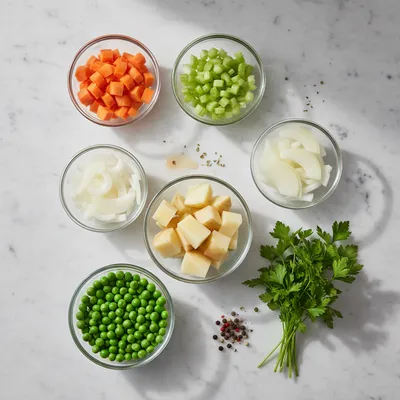
- Mirepoix (Carrots, Celery, Onion): This is the heartbeat of the soup. Make sure to dice them evenly so they soften at the same rate.
- Vegetable Broth: A low-sodium broth is best so you can control the salt yourself. Look for one with a rich, golden color.
- Potatoes: I prefer Yukon Gold because they hold their shape but have a creamy texture that thickens the broth slightly.
- Dried Thyme and Bay Leaf: These add a woody, floral depth. Don't forget to fish out the bay leaf before serving, or someone will have a surprise!
- Fresh Lemon Juice: A squeeze of lemon right at the end wakes up all the heavy flavors. It's a little secret that makes a big difference.
- Olive Oil: Use a decent quality extra virgin oil to sauté your aromatics for a smooth, fruity base.
Complete Cooking Process
-
Ingredient Readiness:
Start by gathering all your vegetables. I find it's much calmer if everything is chopped and ready in little bowls before the heat goes on. Pat your potatoes dry after washing so they don't splatter in the oil.
-
Flavor Development:
The magic happens during the sauté. Let the onions turn translucent and the carrots get a bit soft. This is where the sugars release and create that foundation of flavor that you can't get by just boiling everything.
-
Texture Control:
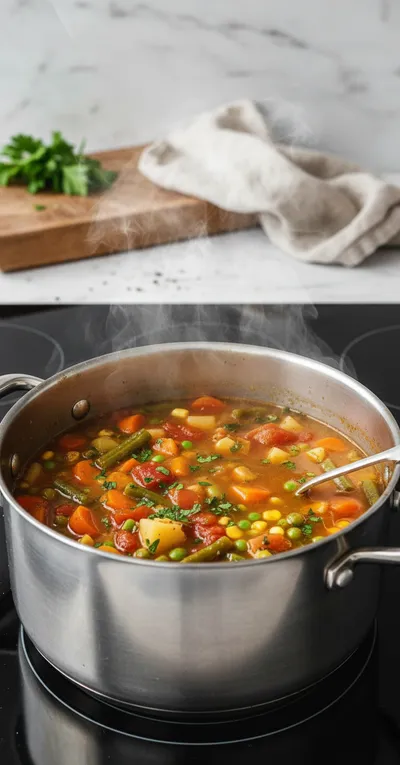
Be mindful of the simmer. You want a gentle bubble, not a rolling boil. This keeps the vegetables tender without them completely breaking down into a mush, though a few soft bits are honestly okay.
-
Finishing Touches:
Just before turning off the stove, stir in your fresh parsley and a squeeze of lemon. It adds a brightness that cuts through the richness of the cooked vegetables.
-
Serving Timing:
Let the soup sit for about five to ten minutes after cooking. It allows the flavors to settle and the broth to thicken just a tiny bit.
- Sauté the garlic last so it doesn't burn and turn bitter
- Use a heavy-bottomed pot to prevent the vegetables from sticking
- Add a pinch of sugar if the tomatoes or carrots feel too acidic
- Don't overcook the peas or spinach; stir them in at the very end
Pro Tips
I remember when I first started cooking, I used to rush everything. I'd throw everything in the pot at once and wonder why it tasted flat. But then I learned the patience of the sauté. So, yeah, take your time with the onions. Let them sweat. It feels slow, but that's the point of a healthy vegetarian meal—it's about the process as much as the result.
The essence of the dish:
A fun fact or historical angle:
Flavor or sensory focus:
You Must Know
- Avoid using too much water; stick to broth for a richer taste
- Cut all vegetables to a similar size for even cooking
- Season with salt in stages, not all at once
Frequently Asked Questions
→ Can I freeze this vegetable soup?
Yes, you certainly can. I usually freeze mine in quart-sized containers. Just be aware that potatoes can sometimes change texture slightly when frozen and thawed, but it's still delicious.
→ What can I add to make it more filling?
If you're really hungry, I'd suggest adding some cooked cannellini beans or a handful of pearled barley. It adds a lovely chew and extra protein.
→ Can I use frozen vegetables instead of fresh?
Absolutely. A frozen mixed vegetable blend works in a pinch. Just add them a bit later in the process so they don't get too mushy.
→ How do I stop my soup from being too watery?
You can mash a few of the cooked potato chunks against the side of the pot with a spoon. This releases starch and naturally thickens the broth without adding flour.
→ What if I don't have thyme?
Oregano or rosemary work well, though rosemary is much stronger, so use a little less. Even a bit of dried parsley will do the trick.
→ How long does it stay fresh in the fridge?
It usually keeps well for about 4 to 5 days in an airtight container. Honestly, it often tastes better on day two!
Chef's Tips
For a thicker soup, you can blend one cup of the finished soup and stir it back in.,If you want a bit more richness, stir in a tablespoon of butter at the very end.,Always use a low-sodium broth so you can control the salt level personally.
Nutrition Facts
per serving
180
Calories
8g
Protein
24g
Carbs
6g
Fat
Taste Profile
A savory, earthy, and comforting flavor with a bright citrus finish.
Ingredient Substitutions
Don't have an ingredient? Try these alternatives
Provides a more peppery, earthy flavor profile.
Ensure you adjust salt levels as bouillon can be very salty.
Recipe Variations
Try these delicious twists on the original
Creamy Version
Stir in 1/4 cup of heavy cream or coconut milk at the end for a richer texture.
Hearty Grain Version
Add 1/2 cup of quinoa or brown rice during the simmer for extra protein and texture.
Common Mistakes to Avoid
Learn from others' mistakes for perfect results
- Overcooking the frozen peas, making them grey
- Burning the garlic by adding it too early
- Using too much salt before the broth has reduced
Meal Prep & Storage
Make Ahead Tips
You can chop all the vegetables and keep them in a container for 2 days. The soup itself is even better the next day after the flavors have melded.
Leftover Ideas
Reheat in a pot over medium-low heat. If the soup has thickened too much in the fridge, add a splash of water or broth to loosen it up.
Perfect Pairings
Serve this with...
Cooking Timeline
Sauté the onion, carrots, and celery until softened.
Add garlic and thyme, cooking until fragrant.
Pour in broth and tomatoes; bring to a boil.
Simmer potatoes until tender.
Add frozen veg and finish with lemon and parsley.
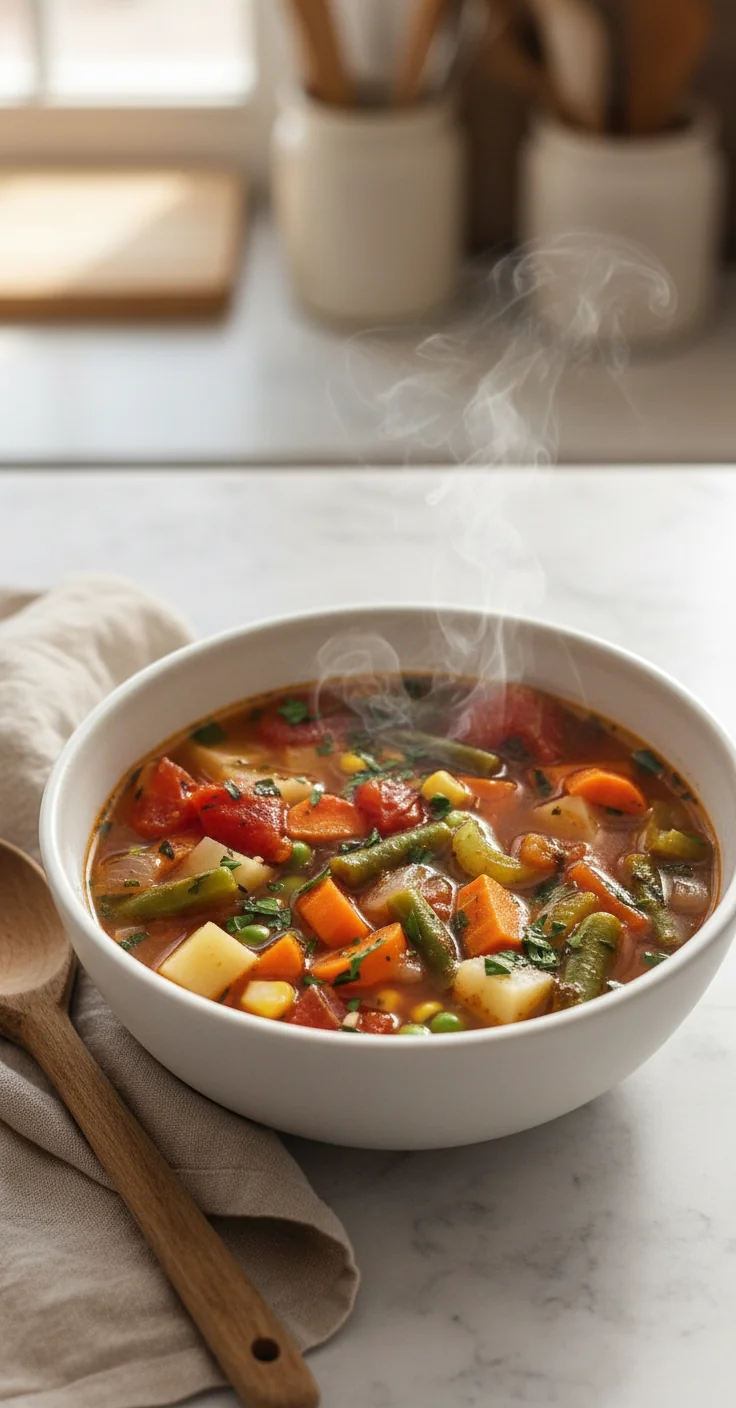
Vegetable Soup Recipe: The Best Homemade Version
A comforting, nutrient-packed vegetable soup that brings the warmth of a home-cooked meal to your table with simple, garden-fresh ingredients.
Timing
Prep Time
20 Minutes
Cook Time
30 Minutes
Total Time
50 Minutes
Recipe Details
Ingredients
The Base
- 01 2 tbsp extra virgin olive oil
- 02 1 medium onion, diced
- 03 2 medium carrots, sliced into rounds
- 04 2 stalks celery, diced
- 05 3 cloves garlic, minced
The Hearty Bits
- 01 2 large potatoes, peeled and cubed
- 02 1 cup frozen peas
- 03 1 cup frozen corn or diced zucchini
- 04 8 cups low-sodium vegetable broth
- 05 1 can (14oz) diced tomatoes, unsalted
Seasoning & Finish
- 01 1 tsp dried thyme
- 02 1 bay leaf
- 03 Salt and black pepper to taste
- 04 1 tbsp fresh lemon juice
- 05 1/4 cup fresh parsley, chopped
Instructions
Heat the olive oil in a large pot over medium heat. Add your onion, carrots, and celery. Let them cook for about 6 to 8 minutes until the onion is soft and translucent. I like to stir them occasionally so nothing browns too much.
Stir in the minced garlic and dried thyme. Cook for just a minute—long enough for the scent to fill the room, but don't let the garlic turn brown, or it'll get bitter.
Pour in the vegetable broth and add the diced tomatoes with their juices. Drop in the bay leaf and bring the whole thing to a gentle boil.
Carefully stir in the cubed potatoes. Turn the heat down to low, cover the pot, and let it simmer for about 15 to 20 minutes, or until the potatoes are tender when poked with a fork.
Stir in the frozen peas and corn. Let them cook for another 2 to 3 minutes just to warm through. You don't want to overcook the peas or they lose that bright green color.
Turn off the heat. Remove the bay leaf. Stir in the fresh parsley and the lemon juice. Taste it—this is where you add your salt and pepper until it feels just right to you.
Notes & Tips
- 1 For a thicker soup, you can blend one cup of the finished soup and stir it back in.
- 2 If you want a bit more richness, stir in a tablespoon of butter at the very end.
- 3 Always use a low-sodium broth so you can control the salt level personally.
Tools You'll Need
-
Large stock pot or Dutch oven
-
Chef's knife
-
Cutting board
-
Wooden spoon
-
Measuring cups and spoons
Must-Know Tips
- Don't rush the sauté phase; it's where the flavor starts.
- Keep the heat low during the simmer to avoid breaking the vegetables.
- Always taste and adjust seasonings right before serving.
Professional Secrets
- The 'Lemon Trick': Adding acidity at the end brightens the entire flavor profile.
- Starch Thickening: Mashing a few potatoes creates a natural body without cream.
- Layering Aromatics: Adding garlic after the onions prevents burning.

Recipe by
Hannah BrooksHannah Brooks focuses on nutritious baked meals that feature rice, quinoa, oats, and other wholesome grains. She develops creative casseroles, baked g ...
Get Delicious Recipes Weekly
Join 25,000+ home cooks getting our best recipes straight to their inbox.
Free forever • No spam • Unsubscribe anytime