Why You'll Love It
- - The beef becomes incredibly tender, almost melting into the broth
- - It's a wonderful way to use up all those root vegetables in the crisper
- - One pot means very little cleanup when you're already tired
- - The flavors only get better the next day after a night in the fridge
"This soup reminds me of my grandmother's kitchen. It's simple, hearty, and tastes like pure love in every spoonful."
Essential Ingredient Guide
- Beef Stew Meat: Look for chuck roast; it has the right amount of fat and connective tissue to stay moist during the long simmer.
- Carrots and Celery: The classic aromatic base. Try to cut them into uniform rounds so they cook evenly and look pretty.
- Potatoes: Yukon Gold are my favorite here because they hold their shape but have a creamy texture that thickens the soup.
- Dried Thyme: A subtle earthy note that ties the beef and vegetables together without overpowering them.
- Tomato Paste: This adds a rich, umami depth and a hint of acidity to balance the heaviness of the beef.
- Beef Broth: Use a low-sodium version so you can control the salt yourself as the liquid reduces.
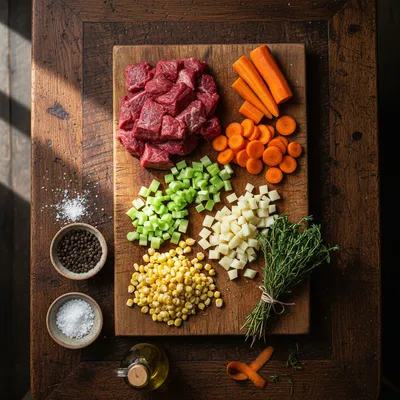
Complete Cooking Process
-
Ingredient Readiness:
I always let my beef sit out for a few minutes to take the chill off. It's a small thing, but it helps the meat sear better. The vegetables should be chopped and grouped—onions first, then the hard roots like carrots, then the potatoes. It just makes the flow of the cooking feel more peaceful.
-
Flavor Development:
The magic happens during the browning. When the beef hits the hot oil and gets that deep brown crust, that's where the soul of the soup lives. Then, sautéing the onions until they're translucent releases a sweetness that anchors the whole dish.
-
Texture Control:
The trick is not to overcook the potatoes. I add them toward the middle-end of the process. You want them soft enough to eat easily, but not falling apart into mush, otherwise your soup becomes more of a porridge.
-
Finishing Touches:
Right before I turn off the heat, I like to taste it one last time. Sometimes it needs a tiny pinch more salt or a crack of black pepper. A sprinkle of fresh parsley adds a bit of brightness to the deep colors.
-
Serving Timing:
I usually let the soup sit for about ten minutes after the heat is off. It lets the flavors settle and the broth thicken just a touch. Serve it while it's steaming hot in your favorite heavy bowl.
- Pat the beef completely dry with paper towels before searing to avoid steaming
- Don't crowd the pot when browning the meat; do it in batches if you have to
- Deglaze the bottom of the pot with a bit of broth to get all those brown bits
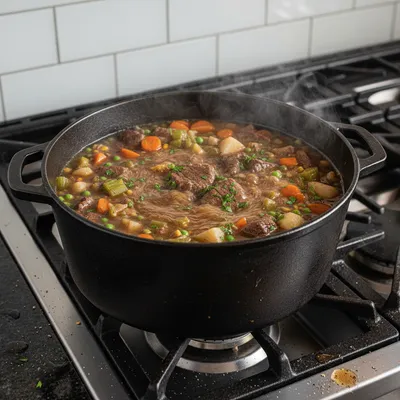
- Keep the heat at a gentle simmer, not a rolling boil, to keep the meat tender
Pro Tips
Honestly, the biggest mistake I see people make is rushing the process. If you boil the soup too hard, the beef can actually become tough and rubbery. Just let it bubble softly, like a quiet conversation. Well, look, it's also okay if your vegetable cuts aren't perfect. A little imperfection in the size of the carrots just makes it feel more homemade and less like something from a restaurant.
The essence of the dish:
A fun fact or historical angle:
Flavor or sensory focus:
You Must Know
- Use a heavy-bottomed pot to prevent the bottom from scorching
- Fresh herbs are lovely, but dried thyme is more traditional for this deep flavor
- Beef chuck is non-negotiable if you want that melt-in-your-mouth texture
Frequently Asked Questions
→ Can I use a different cut of beef?
You can, but I wouldn't recommend lean cuts like sirloin. They'll get dry. Stick to chuck or perhaps a fall apart beef cut for the best results.
→ How do I stop the soup from being too salty?
If it's too salty, add a bit more water or a peeled potato; it will absorb some of the excess salt. Also, using low-sodium broth helps a lot.
→ Can I freeze this soup?
Yes, you can! Just be aware that the potatoes might change texture slightly when thawed. I suggest freezing it without the potatoes and adding them fresh when reheating.
→ What if I don't have tomato paste?
You can use a tablespoon of tomato puree or even a bit of crushed tomatoes. It won't be as concentrated, but it'll still provide that necessary acidity.
→ Can I make this in a slow cooker?
Absolutely. Just sear the meat first for flavor, then throw everything in. For more ideas, check out my slow cooker beef stew version.
→ How do I store the leftovers?
Keep them in an airtight container in the fridge for up to 4 days. It actually tastes better on day two!
Chef's Tips
If the soup is too thin for your liking, mash a few of the cooked potatoes against the side of the pot; it'll thicken the broth naturally.,For an even deeper flavor, you can substitute one cup of broth with a splash of apple cider vinegar and a bit more water.,Make sure to use a heavy pot; thin pots can lead to burning the tomato paste on the bottom.
Nutrition Facts
per serving
420
Calories
36g
Protein
28g
Carbs
18g
Fat
Taste Profile
Savory and deeply comforting with earthy undertones
Ingredient Substitutions
Don't have an ingredient? Try these alternatives
Brisket takes longer to soften, so give it extra time.
Russets will break down more, making the soup creamier.
Recipe Variations
Try these delicious twists on the original
The Hearty Garden Version
Add parsnips, turnips, and kale for an extra boost of nutrients and color.
Thicker Stew Style
Whisk a tablespoon of flour into the butter/oil before adding broth to make it more like a homemade beef stew.
Common Mistakes to Avoid
Learn from others' mistakes for perfect results
- Crowding the pan when searing the beef, leading to gray meat instead of brown
- Adding potatoes too early, which makes them disappear into the soup
- Boiling the soup too vigorously, which can toughen the meat
Meal Prep & Storage
Make Ahead Tips
You can chop all the vegetables the day before and store them in containers. The soup itself tastes even better the next day, so feel free to make a big pot on Sunday.
Leftover Ideas
Reheat gently in a pot over low heat. If it has thickened too much in the fridge, just add a splash of water or broth to loosen it up.
Perfect Pairings
Serve this with...
Cooking Timeline
Prep and season beef, chop vegetables
Brown beef in batches and remove
Sauté onions, celery, garlic and tomato paste
Simmer beef in broth with thyme and bay leaf
Add carrots and potatoes, simmer until tender
Add peas, parsley, and adjust seasoning
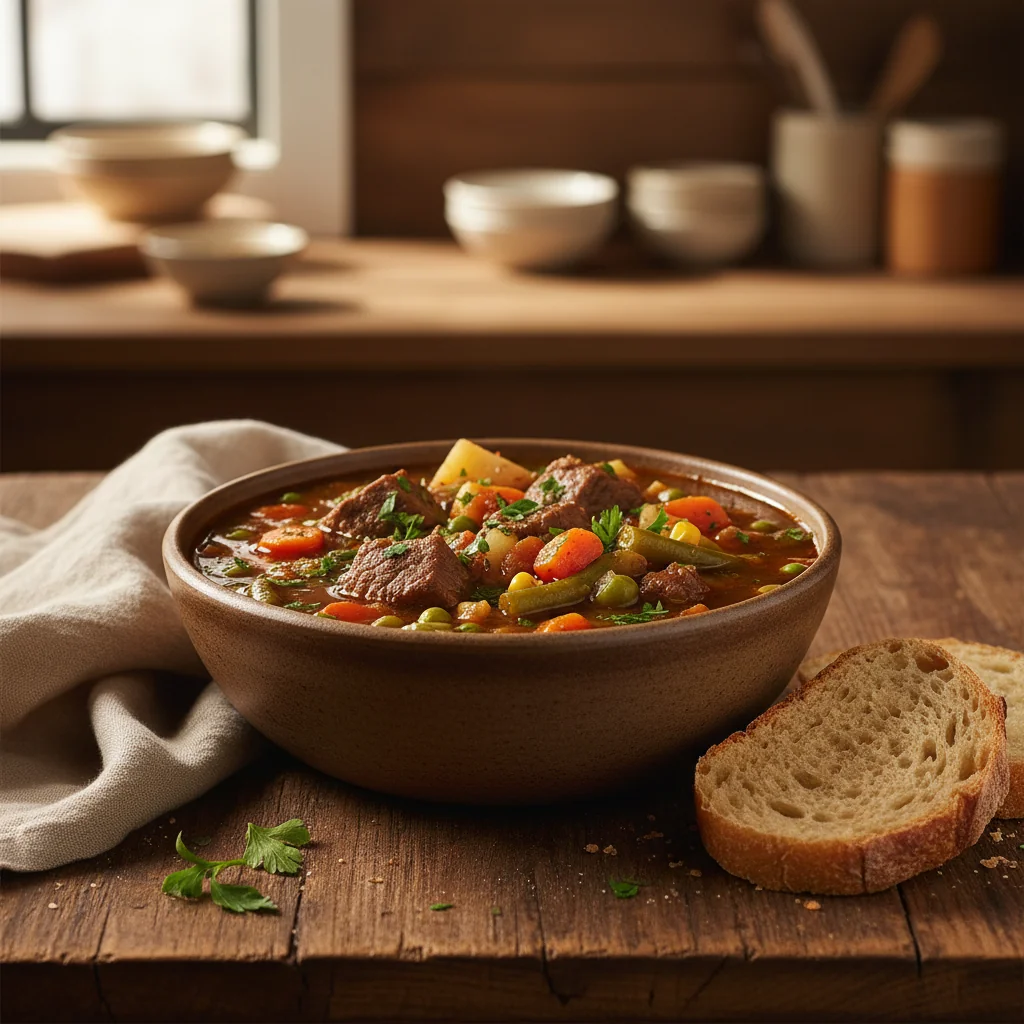
Ultimate Vegetable Beef Soup for Cozy Winter Days
A soul-warming vegetable beef soup that balances tender chunks of beef with a rainbow of garden vegetables in a rich, savory broth.
Timing
Prep Time
20 Minutes
Cook Time
90 Minutes
Total Time
110 Minutes
Recipe Details
Ingredients
Main Ingredients
- 01 2 lbs beef chuck, cut into 1-inch cubes
- 02 3 tbsp olive oil
- 03 1 large onion, diced
- 04 3 cloves garlic, minced
- 05 4 large carrots, sliced into rounds
- 06 3 stalks celery, sliced
- 07 3 medium Yukon Gold potatoes, cubed
- 08 1 cup frozen peas
For the Broth
- 01 2 tbsp tomato paste
- 02 8 cups low-sodium beef broth
- 03 1 tsp dried thyme
- 04 1 bay leaf
- 05 Salt and black pepper to taste
- 06 2 tbsp fresh parsley, chopped
Instructions
Start by seasoning your beef cubes with a bit of salt and pepper. Heat the olive oil in a large pot over medium-high heat. Brown the beef in batches—don't crowd the pan, or it'll just steam. Once they're a deep brown, scoop them out and set them aside on a plate.
In the same pot, toss in your onion and celery. Sauté them for about 5 minutes until they soften. Add the garlic and tomato paste, stirring for another minute until the paste turns a shade darker. It smells wonderful at this point.
Pour in the beef broth and use a wooden spoon to scrape all those brown bits off the bottom of the pot—that's the flavor! Stir in the thyme and add the bay leaf. Return the browned beef and any juices from the plate back into the pot.
Bring the soup to a gentle boil, then immediately turn the heat down to low. Cover and simmer for about 60 minutes. This is when the meat starts to get tender.
Stir in the sliced carrots and cubed potatoes. Cover again and simmer for another 20 to 30 minutes, or until the vegetables are tender but not mushy.
Finally, stir in the frozen peas and let them warm through for 2 minutes. Remove the bay leaf, stir in the fresh parsley, and adjust your salt and pepper. Wow, it looks beautiful.
Notes & Tips
- 1 If the soup is too thin for your liking, mash a few of the cooked potatoes against the side of the pot; it'll thicken the broth naturally.
- 2 For an even deeper flavor, you can substitute one cup of broth with a splash of apple cider vinegar and a bit more water.
- 3 Make sure to use a heavy pot; thin pots can lead to burning the tomato paste on the bottom.
Tools You'll Need
-
Large heavy-bottomed pot or Dutch oven
-
Chef's knife
-
Cutting board
-
Wooden spoon
-
Tongs
-
Measuring cups and spoons
Must-Know Tips
- Dry the meat well, avoids steaming and ensures a better sear
- Simmer, don't boil, keeps the beef tender and prevents breakage
- Sauté the tomato paste, removes the raw tinny taste
- Add peas at the end, keeps them bright green and popping
Professional Secrets
- The Maillard Reaction, browning the meat creates complex flavors that can't be replicated by boiling
- Layering Aromatics, adding garlic and paste after onions prevents them from burning
- Resting the Stew, letting it sit for a few minutes before serving stabilizes the emulsion

Recipe by
Emily CarterEmily Carter is known for transforming classic chicken dishes into comforting baked creations. She specializes in oven-roasted chicken meals, savory c ...
Get Delicious Recipes Weekly
Join 25,000+ home cooks getting our best recipes straight to their inbox.
Free forever • No spam • Unsubscribe anytime