Why You'll Love It
- - The sour cream creates an incredibly moist, tight crumb that melts in your mouth.
- - It has a sophisticated, balanced sweetness that isn't overwhelming.
- - A versatile base that works for breakfast, tea time, or a fancy dinner guest.
- - The golden-brown crust provides a lovely contrast to the soft interior.
"*The most tender cake I've ever baked. It tastes like a warm hug on a rainy afternoon.*"
Essential Ingredient Guide
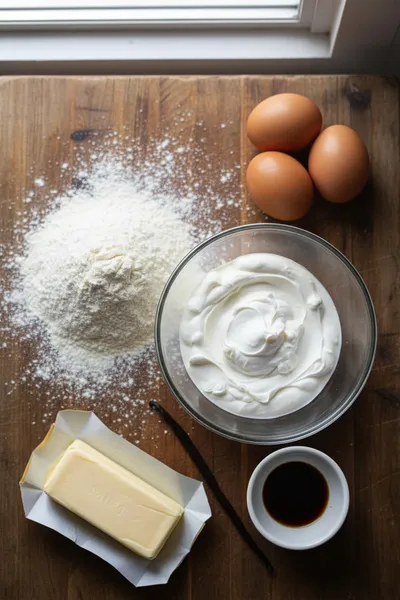
- Sour Cream: Use full-fat sour cream for the best texture. It provides the essential moisture and a subtle tang that cuts through the richness of the butter.
- Unsalted Butter: Butter should be softened to room temperature, not melted. This ensures the air is whipped in, giving the cake its structure.
- Cake Flour: If you only have all-purpose, you can substitute some with cornstarch to keep the cake tender and avoid a bready texture.
- Pure Vanilla Extract: A high-quality extract makes a world of difference. Don't be afraid to be generous; it's the heart of the aroma.
- Fresh Eggs: Room temperature eggs emulsify better with the butter and sugar, preventing the batter from separating.
- Granulated Sugar: Fine sugar dissolves quickly during the creaming process, ensuring there are no grainy bits in your final slice.
Complete Cooking Process
-
Ingredient Readiness:
It's so important to let your butter, eggs, and sour cream sit out for a bit. I remember once I rushed and used cold eggs—the batter curdled, and though it still tasted good, the texture was off. Let everything reach a gentle room temperature so they blend into a smooth, happy emulsion.
-
Flavor Development:
The magic happens during the creaming stage. When you beat the butter and sugar long enough, you're creating tiny air pockets. As the vanilla and sour cream are folded in, the flavors marry together, creating that signature rich base that defines a sour cream pound cake.
-
Texture Control:
When adding the flour, fold it in gently. I mean, don't overwork it! If you mix too much, the cake becomes tough. You want it just combined—a soft, thick batter that looks like velvet and smells like a dream.
-
Finishing Touches:
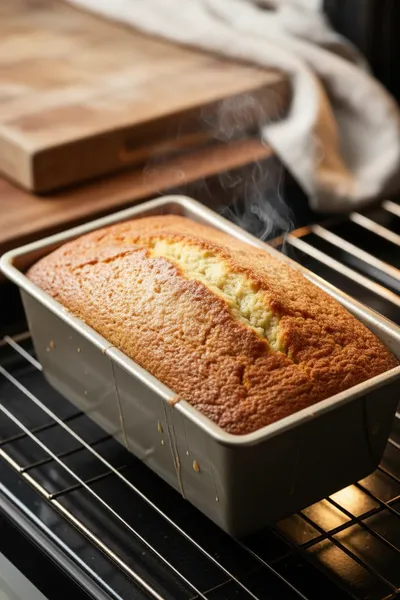
Once the cake comes out of the oven, let it rest in the pan for ten minutes. This allows the structure to set. If you flip it too soon, it might crack. A light dusting of powdered sugar or a simple glaze adds a touch of elegance.
-
Serving Timing:
While it's lovely warm, this cake is actually better the next day. The flavors settle, and the moisture from the sour cream really sinks in. It's a patient kind of dessert.
- Grease your pan heavily with butter and a dusting of flour to avoid any sticking.
- Use a cake tester or toothpick; it should come out with a few moist crumbs, not completely dry.
- Tapping the pan gently on the counter removes large air bubbles before baking.
- Avoid opening the oven door too often, as the rush of cold air can cause the cake to sink.
Pro Tips
Baking is as much about feeling as it is about measurements. I've learned over the years that every oven has its own personality. Yours might run a bit hot or a bit cold, so keep a close eye on the color of the crust. If you notice the top browning too quickly while the center is still wobbly, just tent a piece of foil over it. It's a small fix, but it saves the whole cake. Just be patient, and let the aroma tell you when it's almost done.
The essence of the dish:
A fun fact or historical angle:
Flavor or sensory focus:
You Must Know
- Do not over-mix the batter once the flour is added.
- Ensure your oven is fully preheated for an even rise.
- Use a loaf pan or a Bundt pan for the best shape.
Frequently Asked Questions
→ Can I use Greek yogurt instead of sour cream?
Yes, you can. Plain Greek yogurt has a similar acidity and thickness. The taste will be very similar, though perhaps slightly tangier.
→ Why did my cake sink in the middle?
This usually happens if the oven door was opened too early or if the baking powder/soda was old. Make sure to wait until the cake is nearly done before checking.
→ How do I store this cake to keep it moist?
Wrap the cooled cake tightly in plastic wrap and keep it in an airtight container. It stays moist for about 4-5 days at room temperature.
→ Can I freeze sour cream pound cake?
Absolutely. Wrap slices individually in parchment paper and foil. Thaw at room temperature for a treat any time of the year.
→ My batter looks curdled, is it ruined?
Not at all! This usually happens if the eggs were too cold. Just keep beating, or add a tablespoon of the flour to the mix to help it emulsify again.
→ Which pan is best for this recipe?
A traditional 9x5 loaf pan gives you the classic slice, while a Bundt pan is wonderful for a more decorative look and faster baking.
Chef's Tips
If you want a softer crumb, replace 1/2 cup of all-purpose flour with cake flour.,Avoid using low-fat sour cream; it changes the moisture balance and can make the cake gummy.,For a beautiful finish, brush the top with melted butter immediately after taking it out of the oven.
Nutrition Facts
per serving
420
Calories
6g
Protein
45g
Carbs
22g
Fat
Taste Profile
Rich, buttery sweetness with a subtle, refreshing tang from the sour cream.
Ingredient Substitutions
Don't have an ingredient? Try these alternatives
Almost identical results; just ensure it is thick and unsweetened.
Will result in a deeper, caramel-like flavor and a slightly moister texture.
Recipe Variations
Try these delicious twists on the original
Lemon Twist
Add 2 tablespoons of fresh lemon zest to the batter and a lemon glaze on top.
Almond Infusion
Replace half of the vanilla extract with almond extract for a nutty, aromatic profile.
Common Mistakes to Avoid
Learn from others' mistakes for perfect results
- Using melted butter instead of softened butter, which ruins the lift.
- Over-mixing the batter after adding flour, making the cake tough.
- Cutting the cake while it's still hot, which can cause it to crumble.
Meal Prep & Storage
Make Ahead Tips
You can prepare the batter and keep it in the fridge for up to 12 hours, but be sure to let it come back to room temperature before baking.
Leftover Ideas
Reheat a slice in the microwave for 10 seconds to bring back that just-baked softness.
Perfect Pairings
Serve this with...
Cooking Timeline
Preheat oven, grease pan, and cream butter and sugar.
Beat in eggs and vanilla extract one by one.
Sift dry ingredients and fold in with sour cream.
Bake until golden and a toothpick comes out clean.
Cool in pan for 10 mins, then cool completely on a rack.
Sour Cream Pound Cake: Moist & Flavorful Recipe
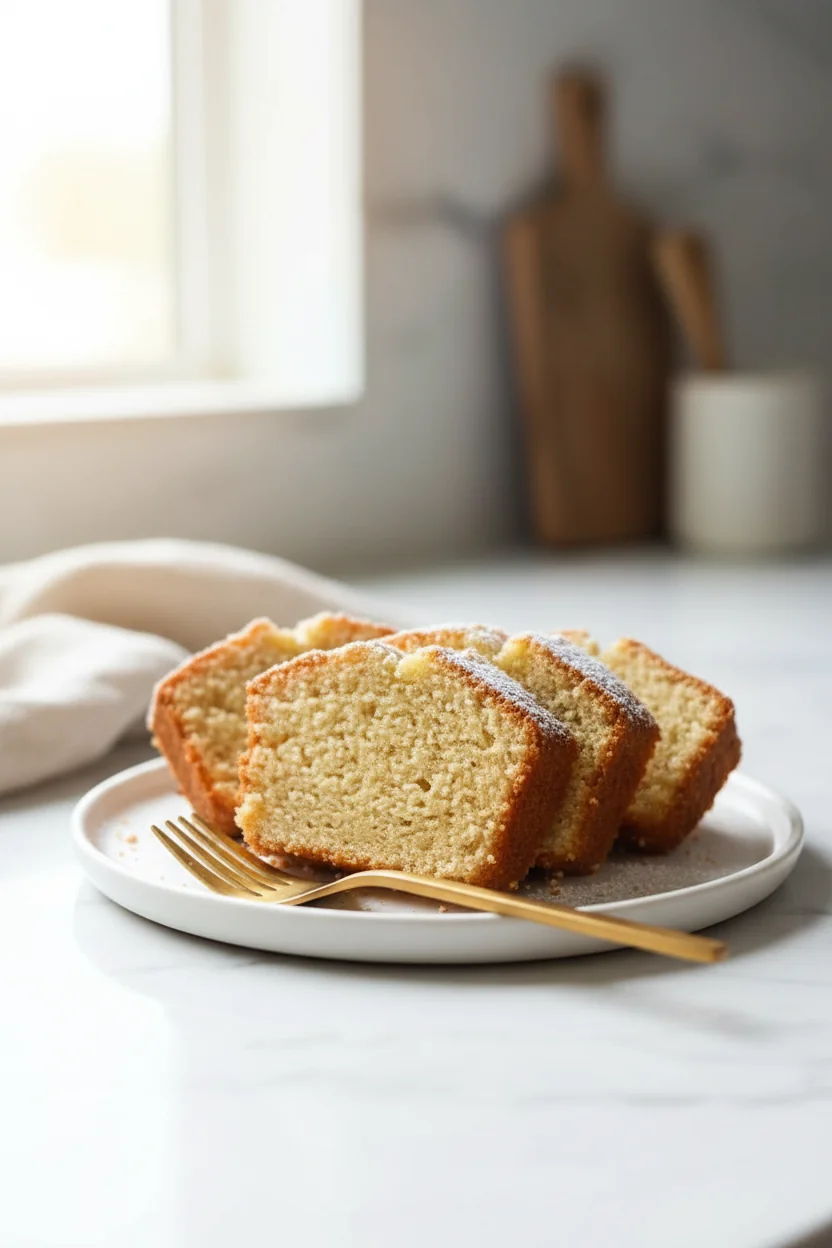
A tender, buttery sour cream pound cake that balances a rich crumb with a hint of tang, perfect for any cozy gathering.
Timing
Prep Time
20 Minutes
Cook Time
60 Minutes
Total Time
80 Minutes
Recipe Details
Ingredients
The Base
- 01 1 cup unsalted butter, softened
- 02 3 cups granulated sugar
- 03 6 large eggs, room temperature
- 04 1 tsp vanilla extract
The Texture & Tang
- 01 3 cups all-purpose flour
- 02 1/2 tsp baking soda
- 03 1/2 tsp salt
- 04 1 cup full-fat sour cream
Instructions
Preheat your oven to 325°F (165°C). Grease and flour your loaf pan very well—don't skip this, or you'll be fighting the cake later.
In a large bowl, cream together the softened butter and sugar. I like to do this for a few minutes until it's pale and fluffy, almost like a cloud.
Add the eggs one by one, beating well after each addition. Yes, it takes a minute, but it's the only way to get that smooth texture. Stir in the vanilla extract.
In a separate bowl, whisk together the flour, baking soda, and salt. This ensures the leavening agent is spread evenly through the cake.
Alternate adding the flour mixture and the sour cream to the butter mixture. Start with flour, then sour cream, then flour again. Mix just until combined.
Pour the batter into the prepared pan and smooth the top. Bake for 55-65 minutes, or until a toothpick comes out clean.
Let the cake cool in the pan for 10 minutes before transferring it to a wire rack to cool completely.
Notes & Tips
- 1 If you want a softer crumb, replace 1/2 cup of all-purpose flour with cake flour.
- 2 Avoid using low-fat sour cream; it changes the moisture balance and can make the cake gummy.
- 3 For a beautiful finish, brush the top with melted butter immediately after taking it out of the oven.
Tools You'll Need
-
Electric hand mixer or stand mixer
-
9x5 inch loaf pan or Bundt pan
-
Large mixing bowls
-
Sifter or whisk
-
Measuring cups and spoons
-
Rubber spatula
Must-Know Tips
- Room temperature is key: Cold ingredients won't emulsify, leading to a heavy, dense cake.
- Don't over-mix the flour: Over-mixing develops gluten, which makes the cake tough instead of tender.
- Check for doneness early: Every oven is different; start checking 5 minutes before the timer goes off.
Professional Secrets
- The 'Double-Sift' method: Sift your flour twice to incorporate more air for a lighter lift.
- The Salt Balance: Use a pinch of flaky sea salt on top of the finished cake to enhance the vanilla notes.
- Slow Cooling: Letting the cake cool slowly prevents the center from collapsing.

Recipe by
Sophia BennettSophia Bennett represents the artistic heart of sweet baking with her elegant cakes, delicate pastries, and celebration desserts. She enjoys crafting ...
Get Delicious Recipes Weekly
Join 25,000+ home cooks getting our best recipes straight to their inbox.
Free forever • No spam • Unsubscribe anytime