Why You'll Love It
- - The sour cream creates a distinct, tender moisture that keeps the cake fresh for days.
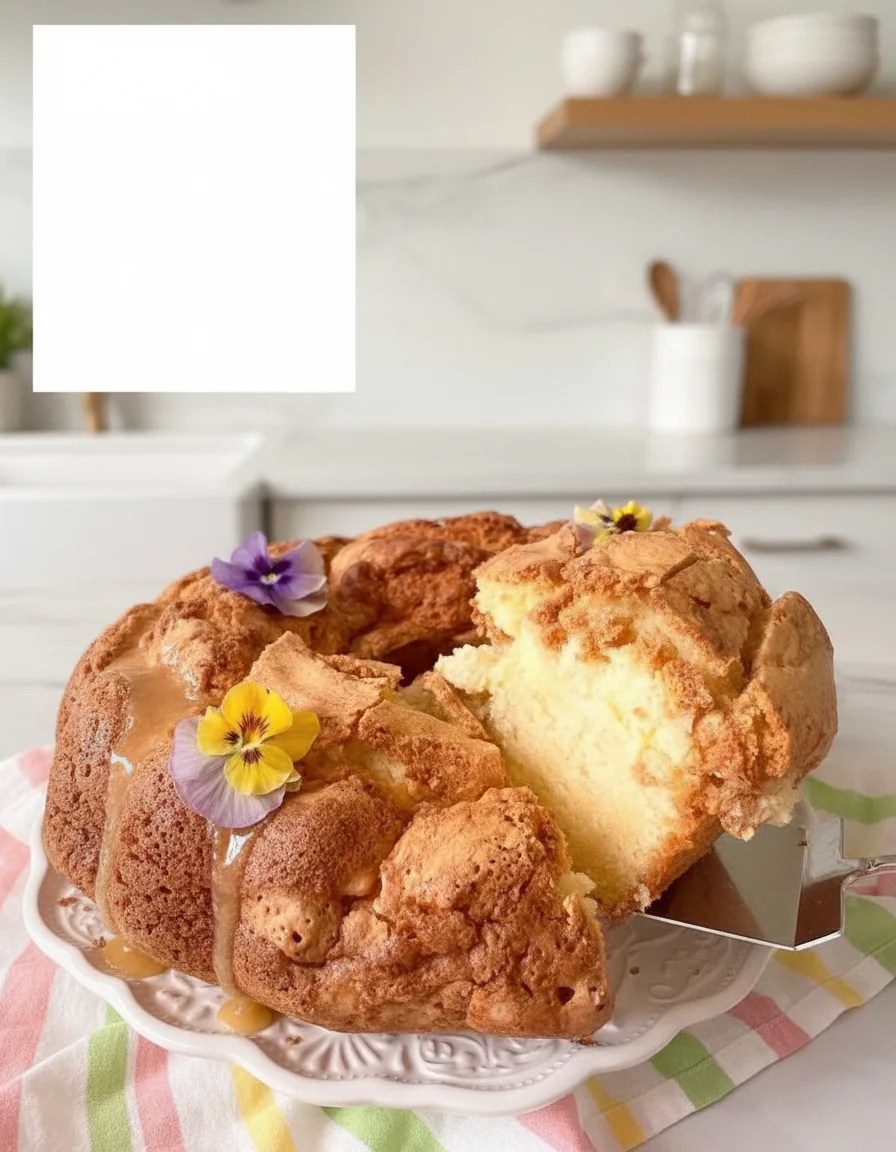
- - A classic golden-brown crust that provides a beautiful contrast to the soft interior.
- - Simple, pantry-staple ingredients that create a professional-quality result.
- - A versatile flavor profile that pairs perfectly with fresh berries or a dollop of cream.
_"This is exactly how my grandmother used to make it. So buttery and incredibly moist, it is the only cake I ever make now."_
Essential Ingredient Guide
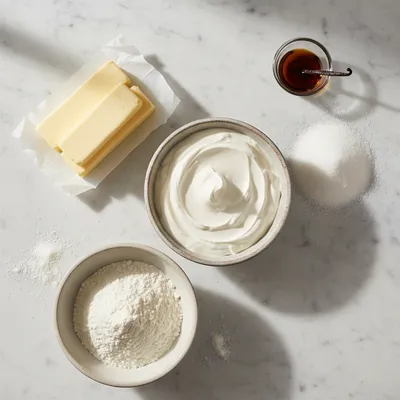
- Sour Cream: Use full-fat sour cream for the best texture. It adds a subtle tang and an incredible amount of moisture.
- Unsalted Butter: Make sure it is truly room temperature. If it is too cold, it won't cream with the sugar, and the cake will be dense.
- Cake Flour: While all-purpose works, cake flour gives it that lighter, more delicate 'melt-in-your-mouth' feel.
- Pure Vanilla Extract: Don't be shy with the vanilla. It is the heart of the flavor and balances the richness of the butter.
- Fresh Lemon Zest: Just a pinch of zest cuts through the heaviness and brightens the overall scent of the bake.
- Granulated Sugar: Fine sugar dissolves more easily into the butter, ensuring a smooth batter without grit.
Complete Cooking Process
-
Ingredient Readiness:
Honestly, the most important part is letting your butter, eggs, and sour cream sit out. I mean, when they are all at the same temperature, they embrace each other better in the bowl, and you won't get those little lumps of butter in your batter.
-
Flavor Development:
The magic happens during the creaming stage. When you beat the butter and sugar long enough, you're trapping air, which gives the cake its lift. Then the vanilla swirls in, creating that nostalgic aroma we all love.
-
Texture Control:
Once the flour goes in, you have to be gentle. Well, look, if you overmix it now, the cake becomes tough. I just stir it in until it disappears, almost like I'm whispering to the batter.
-
Finishing Touches:
As the cake comes out, that golden crust is the sign of success. A light dusting of powdered sugar or a simple glaze adds a touch of elegance without hiding the natural beauty of the bake.
-
Serving Timing:
I find it's best to let it cool completely in the pan for about ten minutes before flipping it. It lets the structure set, so it doesn't crumble when you cut into those thick, buttery slices.
- Avoid over-beating the eggs; add them one by one to keep the emulsion stable.
- Grease your pan with butter and a light dusting of flour to ensure a clean release.
- Tap the pan on the counter once to release any large air bubbles before baking.
- Use a cake tester or toothpick—it should come out clean or with a few moist crumbs.
Pro Tips
Taking your time with the prep is where the love goes into the cake. I've found that rushing the creaming process leads to a cake that is a bit too heavy, and we want that velvety feel, right? Also, don't peek in the oven too often. Every time you open that door, the temperature drops, and it can cause the center to sink slightly. Just trust the timer and the scent filling the room.
The essence of the dish:
A fun fact or historical angle:
Flavor or sensory focus:
You Must Know
- Do not use cold eggs; they will curdle the butter mixture.
- The oven temperature must be accurate; a candy thermometer is helpful.
- Store with a slice of white bread inside the container to keep it moist.
Frequently Asked Questions
→ Can I use Greek yogurt instead of sour cream?
Yes, you can, but make sure it is full-fat and plain. The texture will be very similar, though slightly less tangy.
→ Why did my cake sink in the middle?
This usually happens if the oven door was opened too early or if the baking powder is expired. Ensure your oven is fully preheated.
→ How do I keep the cake from sticking to the pan?
Butter the pan generously and then dust it with flour, tapping out the excess. For a more secure release, you can use parchment paper on the bottom.
→ Can I freeze this cake?
Absolutely. Slice the cake first, wrap each slice individually in plastic wrap, and freeze. Thaw at room temperature.
→ What is the difference between this and a sponge cake?
A sponge cake relies on whipped eggs for lift and is very airy. This pound cake relies on creamed butter and sour cream for a denser, richer feel.
→ My batter looks curdled, is it ruined?
If you added cold eggs, it might look curdled. Just keep beating for another minute, or warm the bowl slightly over a water bath to bring the emulsion back together.
Chef's Tips
Room temperature ingredients are not optional here; they are essential for the structure.,Sifting the flour prevents lumps and ensures a more uniform crumb.,For a slightly different twist, try this vanilla pound cake recipe if you want something slightly less tangy.
Nutrition Facts
per serving
420
Calories
6g
Protein
52g
Carbs
18g
Fat
Taste Profile
Richly sweet and buttery with a subtle, tangy finish from the sour cream.
Ingredient Substitutions
Don't have an ingredient? Try these alternatives
Remove 2 tablespoons of flour and replace with 2 tablespoons of cornstarch.
Ensure it is not low-fat, as the fat is what provides the moisture.
Recipe Variations
Try these delicious twists on the original
Lemon Glazed
Whisk together powdered sugar and fresh lemon juice to create a tart glaze to drizzle over the top.
Almond Twist
Replace half of the vanilla extract with almond extract for a nutty, aromatic flavor.
Common Mistakes to Avoid
Learn from others' mistakes for perfect results
- Overmixing the batter after adding flour, which creates a tough cake.
- Using cold ingredients, leading to a broken emulsion and uneven texture.
- Baking at too high a temperature, causing the outside to burn while the inside remains raw.
Meal Prep & Storage
Make Ahead Tips
You can bake this cake a day in advance; it often tastes even better the next day as the flavors settle.
Leftover Ideas
Store slices in a container with a piece of white bread; the cake will absorb the bread's moisture and stay fresh.
Perfect Pairings
Serve this with...
Cooking Timeline
Preheat oven and grease the pan thoroughly.
Cream butter and sugar until light and fluffy.
Add eggs one by one and stir in vanilla.
Fold in dry ingredients and finish with sour cream.
Bake for 65 minutes and cool before serving.
Sour Cream Pound Cake - Melt In Your Mouth Recipe
A timeless, buttery dessert featuring the richness of sour cream for a dense yet tender crumb that lingers on the tongue.
Timing
Prep Time
20 Minutes
Cook Time
65 Minutes
Total Time
85 Minutes
Recipe Details
Ingredients
Main Batter
- 01 3 cups cake flour, sifted
- 02 1 cup unsalted butter, softened
- 03 3 cups granulated sugar
- 04 6 large eggs, room temperature
- 05 1 cup full-fat sour cream
- 06 1 tbsp pure vanilla extract
- 07 1/2 tsp salt
- 08 1/2 tsp baking soda
Optional Finishing
- 01 2 tbsp melted butter for brushing
- 02 1/2 cup powdered sugar for dusting
- 03 Fresh berries for garnish
Instructions
Preheat your oven to 325°F (160°C). Grease and flour a 10-inch tube pan or a Bundt pan very thoroughly. I usually do it twice just to be safe, yeah.
In a large bowl, cream together the softened butter and sugar. Use a mixer on medium-high until the mixture looks pale and fluffy, maybe about 3 to 5 minutes. This is where the air gets in.
Add the eggs one at a time, beating well after each addition. If the batter looks like it wants to separate, just keep going slowly. Stir in the vanilla extract.
In a separate bowl, whisk together the sifted cake flour, salt, and baking soda. Gently fold the dry ingredients into the wet batter using a spatula or low mixer speed.
Stir in the sour cream until just combined. Do not overmix! You just want it smooth, not beaten. It should look thick and creamy, like a dream.
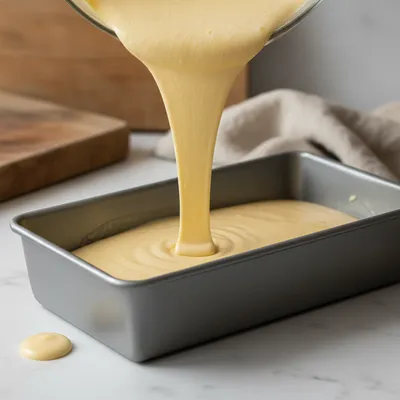
Pour the batter into the prepared pan and smooth the top. Bake for 60 to 70 minutes, or until a toothpick inserted in the center comes out clean.
Let the cake cool in the pan for about 10 minutes, then carefully invert it onto a wire rack to cool completely before serving.
Notes & Tips
- 1 Room temperature ingredients are not optional here; they are essential for the structure.
- 2 Sifting the flour prevents lumps and ensures a more uniform crumb.
- 3 For a slightly different twist, try this vanilla pound cake recipe if you want something slightly less tangy.
Tools You'll Need
-
10-inch Tube Pan or Bundt Pan
-
Electric Hand Mixer or Stand Mixer
-
Large Mixing Bowls
-
Sifter or Fine Mesh Strainer
-
Rubber Spatula
-
Wire Cooling Rack
-
Toothpick or Cake Tester
Must-Know Tips
- Don't overbake! Start checking at 60 minutes. If the edges are pulling away from the pan, it's nearly there.
- Use a high-quality vanilla bean paste for tiny black specks and an even deeper flavor.
- If the top browns too quickly, tent it loosely with aluminum foil for the last 15 minutes.
Professional Secrets
- Creaming the butter and sugar for a full 5 minutes creates a much more professional, light-yet-rich texture.
- Sifting the flour twice—once before measuring and once after—results in a cake that is almost cloud-like.
- Brushing the warm cake with a tiny bit of melted butter before dusting with sugar seals in the moisture.

Recipe by
Sophia BennettSophia Bennett represents the artistic heart of sweet baking with her elegant cakes, delicate pastries, and celebration desserts. She enjoys crafting ...
Get Delicious Recipes Weekly
Join 25,000+ home cooks getting our best recipes straight to their inbox.
Free forever • No spam • Unsubscribe anytime