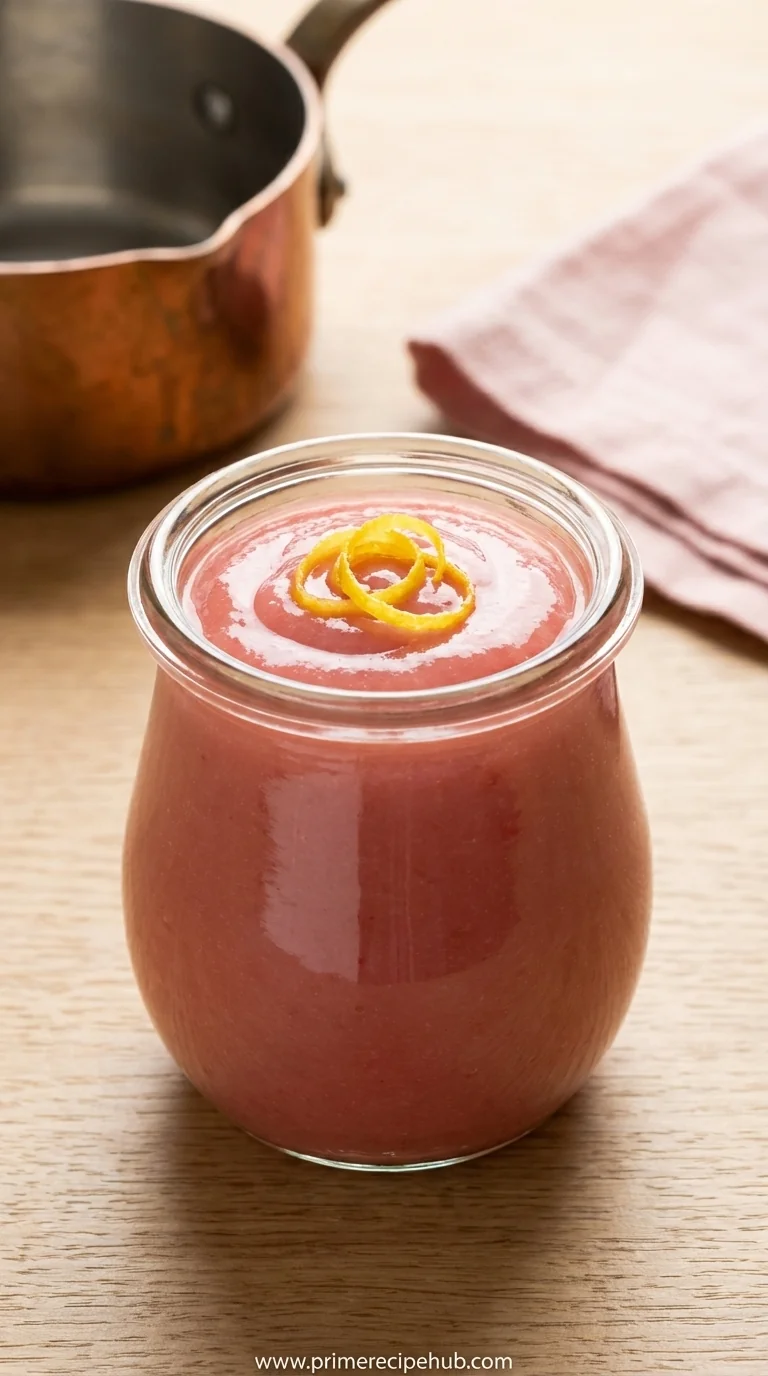
Rhubarb curd traces its roots back to early 20th‑century British preserves, where gardeners sought a way to transform the tart stalks into a lasting summer treasure. As sugar became more affordable, cooks began marrying rhubarb's sharpness with the richness of butter and eggs, creating a custard‑like spread that could be stored for months. Over time, the technique traveled across the Atlantic, evolving into the silky, citrus‑kissed curd beloved in modern bakeries. Today, this bright condiment continues to celebrate the season’s first harvest, offering a timeless balance of sweet and tart.
Why You'll Love It
-
- Fresh garden flavor captured in a velvety jar
-
- Versatile: spreads, fills, or swirls into desserts
-
- Simple ingredients, no fancy equipment needed
-
- Bright citrus notes lift the natural tartness
"This rhubarb curd is the perfect balance of tart and sweet—my toast never looked so inviting!"
Essential Ingredient Guide
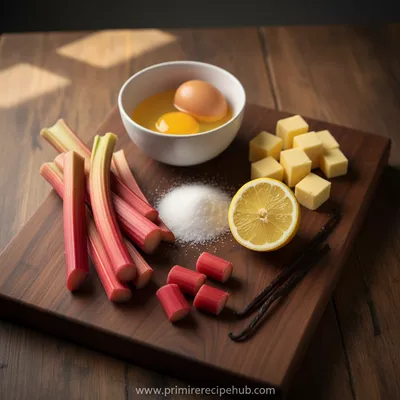
- Rhubarb: Select firm, crisp stalks; trim the ends and discard any wilted pieces. Cut into 1‑inch pieces for even cooking.
- Egg yolks: Use fresh, room‑temperature yolks; they help thicken the curd without curdling.
- Granulated sugar: Balances the natural tartness of the rhubarb; you can adjust down a tablespoon for a sharper bite.
- Butter: Adds richness and a glossy finish; use unsalted for better control of salt.
- Lemon juice and zest: Provides a bright acidity that lifts the flavor and helps set the curd.
- Vanilla extract: A small splash deepens the flavor without overwhelming the rhubarb.
Complete Cooking Process
-
Ingredient Readiness:
Trim and chop the rhubarb, zest and juice the lemon, separate the egg yolks, and measure sugar and butter before you start.
-
Flavor Development:
Simmer the rhubarb with sugar and lemon juice until it softens, allowing the natural sugars to caramelize lightly.
-
Texture Control:
Temper the egg yolks with a bit of hot rhubarb mixture, then return to the pan to thicken without scrambling.
-
Finishing Touches:
Stir in butter, vanilla, and zest; whisk until glossy, then strain for a silk‑smooth finish.
-
Serving Timing:
Cool the curd to room temperature before transferring to jars; it sets further as it chills.
-
Use a heavy‑bottomed saucepan to prevent hot spots.
-
Stir constantly as the curd thickens to avoid graininess.
-
Strain through a fine‑mesh sieve for an ultra‑smooth texture.
-
Store in sterilized jars for up to two weeks in the refrigerator.
Pro Tips
These little habits make the difference between a good curd and a great one. I remember a time when I missed straining and got tiny specks of cooked rhubarb—still tasty, but not as elegant. Taking a moment to whisk in the butter off the heat preserves its silky sheen, and the curd will keep its bright color for days. So, breathe, enjoy the process, and let the flavors settle gently.
 Healthy & Vegetarian
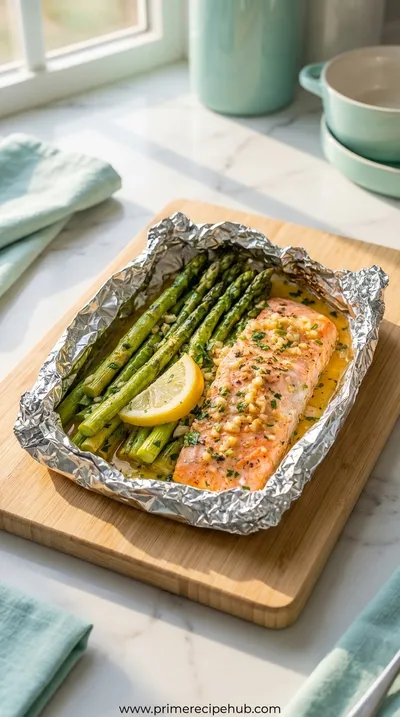
Baked Salmon in Foil Packs with Asparagus
A simple, healthy one‑pan dinner: salmon and asparagus baked together in buttery foil.
The essence of the dish:
This curd marries the garden‑fresh tang of rhubarb with the mellow sweetness of sugar and the richness of butter, all brightened by lemon. The result is a spread that’s both comforting and lively, perfect for spring mornings.
A fun fact or historical angle:
In Victorian England, rhubarb was prized for its medicinal qualities, and the curd was originally a way to preserve its health benefits while making it palatable.
Flavor or sensory focus:
When you spoon the curd, the first thing you notice is its glossy, velvety sheen, followed by a gentle tart snap that softens into a buttery, lemon‑kissed finish.
You Must Know
-
Rhubarb must be cooked to tame its natural acidity
-
Egg yolks give body without a custard‑like grain
-
Straining eliminates any fibrous bits for a perfect texture
Frequently Asked Questions
→ Can I make this curd ahead of time?
Yes, store it in a sterilized jar in the refrigerator for up to two weeks; it actually deepens in flavor as it rests.
→ What can I use instead of lemon zest?
A pinch of orange zest adds a subtle citrus note without overpowering the rhubarb.
→ Is it safe to freeze rhubarb curd?
Freezing is possible, but the texture may become slightly grainier. Thaw gently and stir well before serving.
→ Can I substitute butter with a dairy‑free alternative?
Yes, a high‑quality coconut oil or vegan butter works, though it will impart a faint coconut aroma.
→ How do I know when the curd is thick enough?
When it coats the back of a spoon and forms a clear line when the spoon is run through, it’s ready.
→ What desserts pair best with rhubarb curd?
It shines on scones, layered in cheesecakes, swirled into yogurt, or as a topping for panna cotta.
Nutrition Facts
per serving
210
Calories
3g
Protein
28g
Carbs
9g
Fat
Taste Profile
A bright, tangy-sweet balance with citrus lift
Ingredient Substitutions
Don't have an ingredient? Try these alternatives
Coconut oil adds a subtle tropical note; adjust salt accordingly.
Use 1/4 cup tofu per yolk; may result in a slightly different texture.
Recipe Variations
Try these delicious twists on the original
Spicy Version
Add a pinch of ground ginger and a dash of cayenne for a warm kick.
Mediterranean Style
Stir in crumbled feta and a drizzle of olive oil after cooling.
Common Mistakes to Avoid
Learn from others' mistakes for perfect results
- Over‑cooking causes grainy texture.
- Adding eggs too quickly can scramble them.
- Skipping the sieve leaves fibrous bits.
Meal Prep & Storage
Make Ahead Tips
The curd can be made up to three days in advance; simply store sealed in the fridge and bring to room temperature before serving.
Leftover Ideas
Stir gently and add a splash of milk or cream to restore looseness; it’s perfect for a quick toast topping.
Perfect Pairings
Serve this with...
Cooking Timeline
Prep rhubarb, lemon, and butter; separate egg yolks.
Simmer rhubarb with sugar and lemon juice until soft.
Temper yolks, add back to pan, and thicken the curd.
Stir in butter, vanilla, and zest; achieve glossy finish.
Strain, cool, and jar the curd.
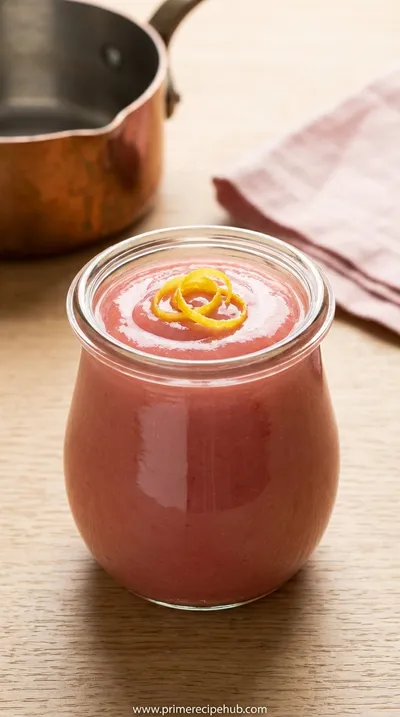
Rhubarb Curd – Sweet Spring Dessert
Bright, tangy rhubarb curd perfect for toast, pastries, or cheesecake—easy to make and full of fresh flavor. The silky texture and subtle citrus note make it a springtime staple that brightens any breakfast or dessert.
Timing
Prep Time
15 Minutes
Cook Time
25 Minutes
Total Time
40 Minutes
Recipe Details
Ingredients
Main Ingredients
-
01
2 cups rhubarb, trimmed and cut into 1‑inch pieces
-
02
3/4 cup granulated sugar
-
03
3 large egg yolks
-
04
4 tablespoons unsalted butter, cut into cubes
-
05
2 tablespoons freshly squeezed lemon juice
-
06
1 teaspoon lemon zest
-
07
1/2 teaspoon vanilla extract
Instructions
In a medium saucepan, combine the rhubarb, sugar, and lemon juice. Cook over medium heat, stirring occasionally, until the rhubarb softens and releases its juices, about 8‑10 minutes.
In a separate bowl, whisk the egg yolks thoroughly. Temper the yolks by slowly whisking in about 1/2 cup of the hot rhubarb mixture, then pour the tempered yolks back into the saucepan.
Reduce the heat to low and continue stirring constantly. The mixture will begin to thicken; keep cooking for another 5‑7 minutes until it coats the back of a spoon.
Remove the pan from the heat and stir in the butter cubes, one at a time, followed by the vanilla extract and lemon zest. Mix until the butter is fully melted and the curd is glossy.
Optional: For an ultra‑smooth texture, pass the curd through a fine‑mesh sieve into a clean bowl.
Allow the curd to cool slightly, then spoon it into sterilized jars. Let it come to room temperature, cover, and refrigerate for at least 2 hours before serving.
Notes & Tips
-
1
If you prefer a sweeter curd, add an extra tablespoon of sugar.
-
2
A pinch of sea salt enhances the overall flavor balance.
-
3
For a deeper citrus note, add a splash of orange liqueur (optional, non‑alcoholic substitute available).
Tools You'll Need
-
Medium saucepan
-
Wooden spoon
-
Whisk
-
Fine‑mesh sieve
-
Jars with lids
-
Cutting board
-
Sharp knife
Must-Know Tips
-
Don’t let the mixture boil once the eggs are added, it can curdle.
-
Stir constantly to avoid a grainy texture.
-
Strain for a silky finish.
Professional Secrets
-
Use a heavy‑bottomed pan to distribute heat evenly.
-
Temper the egg yolks slowly to prevent scrambling.
-
Finish off heat before adding butter for a glossy sheen.

Recipe by
Sophia BennettSophia Bennett represents the artistic heart of sweet baking with her elegant cakes, delicate pastries, and celebration desserts. She enjoys crafting ...
Get Delicious Recipes Weekly
Join 25,000+ home cooks getting our best recipes straight to their inbox.
Free forever • No spam • Unsubscribe anytime