Why You'll Love It
- - The deep umami flavor from the miso and mushrooms is incredibly grounding.
- - Thick, chewy udon noodles provide a satisfying, hearty texture.
- - It's a healthy, vegetarian meal that doesn't feel like a compromise.
- - The prep is simple, making it a go-to for cozy dinners.
*The most comforting soup I've had in years. Those mushrooms are like little flavor bombs in a creamy, salty sea.*
Essential Ingredient Guide
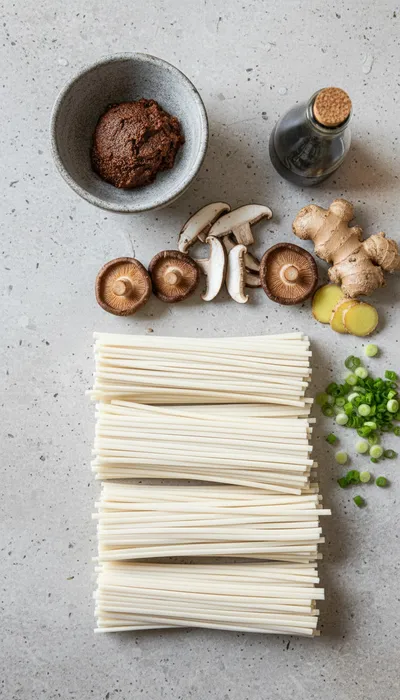
- White Miso Paste: Choose a white or yellow miso for a milder, creamier taste; it's the heart of the broth's body.
- Udon Noodles: Fresh or frozen udon is best for that authentic chewiness, but dried works if that's all you have.
- Shiitake Mushrooms: These offer the best meat-like texture and absorb the teriyaki glaze beautifully.
- Ginger and Garlic: Freshly grated is a must here; they provide the aromatic warmth that cuts through the salt.
- Rice Vinegar: A tiny splash at the end brightens the whole bowl and balances the richness.
- Maple Syrup or Honey: Used in the mushroom glaze to get that sticky, caramelized finish.
Complete Cooking Process
-
Ingredient Readiness:
The miso paste should be softened at room temperature so it blends smoothly into the broth without leaving clumps. Mushrooms should be cleaned with a damp cloth—never soaked—to keep their texture firm.
-
Flavor Development:
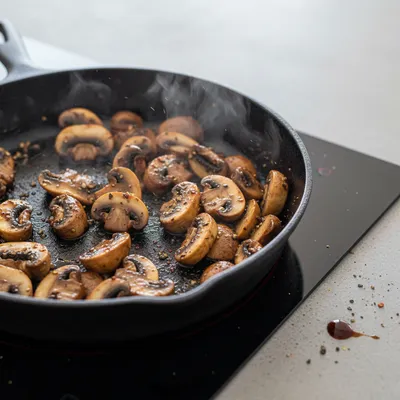
The real magic happens when the mushrooms are seared in the pan until brown, then glazed with teriyaki. This caramelization creates a contrast with the creamy, salty miso broth.
-
Texture Control:
Timing is everything with udon. You want them just tender, not mushy. Adding them at the very end ensures they keep their signature bounce.
-
Finishing Touches:
A sprinkle of green onions and a few sesame seeds add a fresh, nutty crunch that awakens the deeper flavors of the soup.
-
Serving Timing:
Serve immediately in deep bowls. The miso broth is best when piping hot, allowing the aroma of ginger and garlic to bloom.
- Don't boil the miso paste; stir it in at the end to preserve its delicate probiotic nutrients.
- Sauté mushrooms on high heat first to avoid them steaming in their own juice.
- Use a slurry of cornstarch if you prefer an even thicker, creamier consistency.
- Add a handful of baby spinach at the end for a pop of color and nutrition.
Pro Tips
I've found that the secret to a great bowl is just patience. I remember when I used to rush the mushrooms, and they'd come out grey and soft. Now, I let them sit in the pan, listening to that sizzle, until they're a deep, rich brown. It makes a world of difference. So, yeah, take your time with the searing. It's the kind of small detail that turns a simple meal into something that feels special, even if it's just for you.
The essence of the dish:
A fun fact or historical angle:
Flavor or sensory focus:
You Must Know
- Udon noodles can vary wildly in saltiness, so taste your broth before adding more salt.
- Miso is quite potent; start with a small amount and adjust to your taste.
- Ensure your mushrooms are well-browned before adding the glaze for maximum flavor.
Frequently Asked Questions
→ Can I use different mushrooms?
Absolutely. Cremini or Oyster mushrooms work wonderfully. Just make sure they can handle the high heat of the searing process.
→ How do I prevent the miso from clumping?
The best trick is to put the miso in a small strainer or bowl and whisk in a little warm broth first to make a smooth paste before adding it to the pot.
→ Are udon noodles gluten-free?
Traditional udon is made from wheat. If you need a gluten-free option, you can find rice-based udon or use thick rice noodles.
→ Can I make this soup ahead of time?
I'd suggest making the broth and the mushrooms separately. If you store the noodles in the broth, they will soak up all the liquid and get too soft.
→ What if I can't find white miso?
Red miso is a great substitute, but it is much saltier and stronger. Use a bit less and maybe add a touch of honey to balance it.
→ Can I add protein to this?
Yes, tofu is a natural fit. If you're looking for something more, you could try adding teriyaki beef slices for a heartier version.
Chef's Tips
If you prefer a creamier broth, whisk in a tablespoon of coconut milk or cashew cream along with the miso.,For an extra kick, add a teaspoon of sriracha or chili garlic sauce to the broth.,Store mushrooms and broth separately in the fridge for up to 3 days to keep the noodles from getting soggy.
Nutrition Facts
per serving
420
Calories
18g
Protein
52g
Carbs
14g
Fat
Taste Profile
A deeply savory, earthy experience with a sweet-salty accent from the glazed mushrooms.
Ingredient Substitutions
Don't have an ingredient? Try these alternatives
Cut into similar sizes to ensure even glazing.
Honey adds a slightly floral note that works well with ginger.
Recipe Variations
Try these delicious twists on the original
The Green Bowl
Add bok choy, snap peas, and carrots for a nutrient-dense vegetable feast.
Spicy Miso
Stir in a tablespoon of miso-dendo or red pepper flakes for a warming heat.
Common Mistakes to Avoid
Learn from others' mistakes for perfect results
- Boiling the miso, which changes the flavor from sweet and creamy to bitter.
- Overcooking the udon, making them lose their characteristic chew.
- Adding the glaze to mushrooms before they are browned, resulting in a stewed texture rather than a sear.
Meal Prep & Storage
Make Ahead Tips
The teriyaki mushrooms can be made a day in advance and kept in the fridge. The broth can also be prepared and stored, just remember to reheat it gently without boiling.
Leftover Ideas
Reheat the broth and noodles separately. If the noodles have soaked up too much liquid, add a splash of water or broth when reheating in a pan.
Perfect Pairings
Serve this with...
Cooking Timeline
Prep all vegetables; slice mushrooms and grate ginger/garlic.
Sear mushrooms until brown and apply teriyaki glaze.
Sauté aromatics and simmer the vegetable broth.
Stir in the miso slurry and turn off the heat.
Prepare udon, assemble bowls, and garnish.
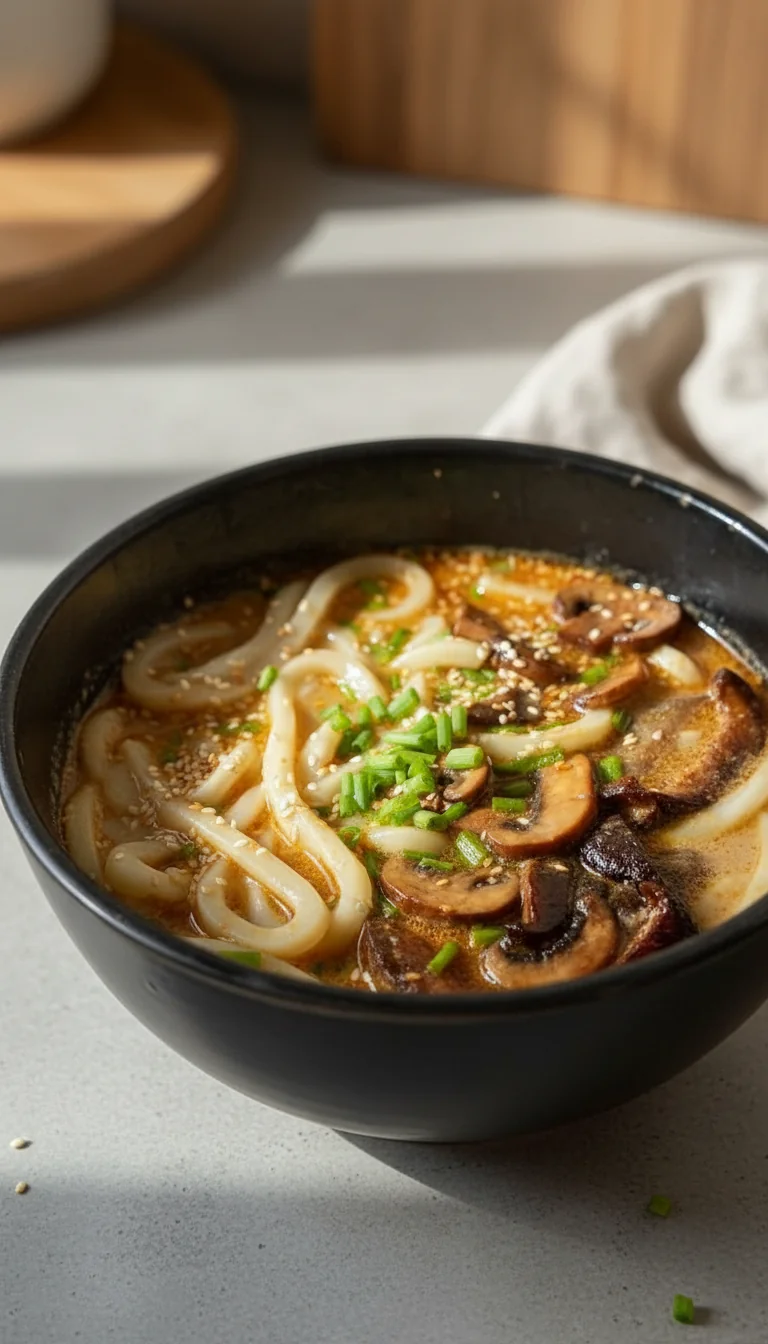
Miso Udon Noodle Soup with Teriyaki Mushrooms
A comforting, creamy miso broth paired with thick udon noodles and savory teriyaki-glazed mushrooms for a deeply satisfying vegetarian meal.
Timing
Prep Time
15 Minutes
Cook Time
25 Minutes
Total Time
40 Minutes
Recipe Details
Ingredients
For the Teriyaki Mushrooms
- 01 8 oz shiitake mushrooms, sliced
- 02 2 tbsp soy sauce
- 03 1 tbsp maple syrup or honey
- 04 1 tsp grated fresh ginger
- 05 1 tbsp vegetable oil
For the Miso Broth
- 01 6 cups vegetable broth
- 02 3 tbsp white miso paste
- 03 2 cloves garlic, minced
- 04 1 tbsp fresh ginger, grated
- 05 1 tbsp toasted sesame oil
- 06 1 tbsp rice vinegar
The Base & Garnish
- 01 1 lb udon noodles (fresh or frozen)
- 02 2 green onions, thinly sliced
- 03 1 tsp toasted sesame seeds
- 04 Optional: baby spinach or bok choy
Instructions
Heat the vegetable oil in a large skillet over medium-high heat. Add the sliced shiitake mushrooms and cook without stirring too often for about 5-7 minutes until they are golden brown. This is where the flavor lives, so don't rush it.
In a small bowl, whisk together the soy sauce, maple syrup, and grated ginger. Pour this glaze over the browned mushrooms and stir constantly for 2-3 minutes until the sauce thickens and coats the mushrooms in a sticky, glossy finish. Remove from heat and set aside.
In a large pot, heat the sesame oil over medium heat. Add the minced garlic and grated ginger, sautéing for about a minute until the scent fills the kitchen—just be careful not to let the garlic brown too much.
Pour in the vegetable broth and bring it to a gentle simmer. While the broth is heating, put your miso paste in a small sieve or bowl and whisk in a ladle of the warm broth until it's a smooth, creamy slurry. Stir this miso mixture back into the main pot, then turn off the heat immediately.
Cook your udon noodles according to the package instructions. If they are fresh, they usually only need a minute or two. Drain them and divide them evenly among four deep bowls.
Ladle the hot miso broth over the noodles. Stir in the rice vinegar for a bit of brightness. Carefully place a generous heap of the teriyaki mushrooms on top of each bowl.
Garnish with sliced green onions and a sprinkle of sesame seeds. Serve immediately while the steam is still swirling.
Notes & Tips
- 1 If you prefer a creamier broth, whisk in a tablespoon of coconut milk or cashew cream along with the miso.
- 2 For an extra kick, add a teaspoon of sriracha or chili garlic sauce to the broth.
- 3 Store mushrooms and broth separately in the fridge for up to 3 days to keep the noodles from getting soggy.
Tools You'll Need
-
Large skillet
-
Large pot
-
Small whisk
-
Fine mesh strainer (for miso)
-
Chef's knife
-
Measuring spoons
Must-Know Tips
- Avoid boiling the miso, as high heat destroys the delicate flavor and nutritional value.
- Searing the mushrooms first is non-negotiable; if you just boil them, you lose the umami depth.
- Always rinse your udon noodles under warm water if they are vacuum-packed to remove excess starch.
Professional Secrets
- Temper the miso paste with warm broth before adding it to the pot to ensure a perfectly smooth, lump-free texture.
- Use a high-smoke point oil for the mushrooms to get that professional sear without burning.
- Add the acid (rice vinegar) at the very end to keep the brightness from dulling during the simmer.

Recipe by
Hannah BrooksHannah Brooks focuses on nutritious baked meals that feature rice, quinoa, oats, and other wholesome grains. She develops creative casseroles, baked g ...
Get Delicious Recipes Weekly
Join 25,000+ home cooks getting our best recipes straight to their inbox.
Free forever • No spam • Unsubscribe anytime