Why You'll Love It
- - It has a natural creaminess that feels indulgent but stays healthy
- - The prep is minimal, leaving you more time to just breathe and relax
- - It's incredibly versatile; you can easily add a pinch of nutmeg or thyme
- - It transforms a humble head of cauliflower into a sophisticated dinner
"This soup is like a warm hug in a bowl. I love how creamy it is without feeling heavy."
Essential Ingredient Guide
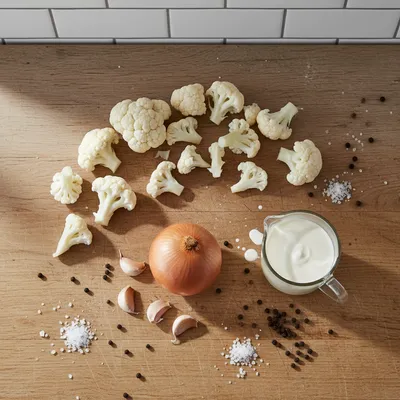
- Cauliflower: Choose a head that feels heavy for its size with tight, creamy-white florets. Avoid any with brown spots.
- Vegetable Broth: A low-sodium broth is best so you can control the salt yourself. It provides the savory base.
- Garlic: Fresh cloves are a must. Sautéing them slowly prevents bitterness and adds a mellow sweetness.
- Heavy Cream or Coconut Milk: This adds the final silky texture. Use coconut milk for a dairy-free, slightly nutty version.
- Lemon Juice: Just a squeeze at the end cuts through the richness and wakes up all the other flavors.
- Olive Oil: A good extra-virgin olive oil gives the starting base a fruity, clean taste.
Complete Cooking Process
-
Ingredient Readiness:
Start by chopping the cauliflower into small, even florets. I find it helps to pat them dry after washing so they actually sauté instead of steaming in the pot. Have your garlic minced and broth measured out so you aren't rushing once the heat is on.
-
Flavor Development:
The magic happens in the first ten minutes. Sautéing the onions and garlic until they're translucent, and then letting the cauliflower brown just a little bit, creates a depth of flavor that you just don't get if you boil everything together from the start.
-
Texture Control:
Once the vegetables are tender, the blending process is key. I prefer a slow blend to ensure every little lump is gone, resulting in that signature velvety feel. If it's too thick, a splash more broth does the trick.
-
Finishing Touches:
Stirring in the cream and a squeeze of lemon right at the end preserves the brightness. It's those small, final adjustments that make the soup taste fresh rather than just cooked.
-
Serving Timing:
This soup is wonderful immediately, but honestly, it's even better if it sits for ten minutes. It lets the flavors settle and the temperature become just right for sipping.
- Don't throw away the cauliflower core; peel the tough outer skin and dice it up for extra bulk
- If you have an oven, roasting the cauliflower first adds a smoky dimension
- Avoid boiling the soup too vigorously after adding the cream to prevent separating
- Use a handheld immersion blender for easier cleanup
Pro Tips
I remember once, years ago, I tried to rush this by boiling the cauliflower without sautéing it first. Well, look, it was edible, but it lacked that certain something—that warmth. It taught me that patience in the pan is where the soul of the dish lives. So, take your time. Let the onions soften. Let the garlic perfume the kitchen. There's no prize for finishing five minutes early when you're making something meant for comfort.
The essence of the dish:
A fun fact or historical angle:
Flavor or sensory focus:
You Must Know
- Ensure the cauliflower is completely tender before blending to avoid a grainy texture
- Be careful when blending hot liquids; leave a gap at the top of the blender to prevent overflow
- Taste for salt at the very end, as broth reduces and concentrates saltiness
Frequently Asked Questions
→ Can I make this soup without cream?
Yes, you can leave the cream out for a lighter version, or replace it with a blended potato or a splash of coconut milk for a dairy-free alternative.
→ How do I store the leftovers?
Store it in an airtight container in the fridge for up to 4 days. It might thicken up, so add a bit of water or broth when reheating.
→ Can I freeze this soup?
I wouldn't recommend freezing it if you've added cream, as it can separate. If you freeze it, do so before adding the dairy, then stir the cream in after thawing.
→ What can I use instead of vegetable broth?
Chicken broth works wonderfully for a richer flavor, though it will make the dish non-vegetarian.
→ The soup is too thin, what do I do?
Let it simmer for another 10-15 minutes without a lid to reduce the liquid, or blend in a small piece of boiled potato.
→ Can I add other vegetables?
Absolutely. Leeks, carrots, or even a bit of parsnip can be sautéed along with the onions for added complexity.
Chef's Tips
For a deeper flavor, try roasting the cauliflower at 400°F (200°C) for 20 minutes before adding it to the pot.,If you want a lower calorie option, check out low calorie soups for similar light ideas.,A pinch of ground nutmeg added during the simmering stage creates a lovely, subtle warmth.
Nutrition Facts
per serving
210
Calories
6g
Protein
16g
Carbs
14g
Fat
Taste Profile
Mild, creamy, and comforting with a bright citrus finish.
Ingredient Substitutions
Don't have an ingredient? Try these alternatives
Works similarly, though broccoli will change the color to green.
Yogurt adds a bit more tang; cashew cream is great for vegans.
Recipe Variations
Try these delicious twists on the original
Cheesy Cauliflower
Stir in 1/2 cup of grated parmesan or sharp cheddar at the end for a richer, savory taste similar to broccoli cheddar soup.
Curried Cauliflower
Add 1 teaspoon of curry powder when sautéing the onions for a warm, aromatic twist.
Common Mistakes to Avoid
Learn from others' mistakes for perfect results
- Adding the cream while the soup is boiling, which can cause curdling
- Not sautéing the cauliflower, resulting in a flatter, more 'boiled' taste
- Over-salting early on before the broth has a chance to reduce
Meal Prep & Storage
Make Ahead Tips
You can make the soup up to the blending stage and store it in the fridge. Just add the cream and lemon juice when you are ready to reheat and serve.
Leftover Ideas
Reheat gently in a pot over medium heat. If the soup has thickened too much, stir in a tablespoon of water or broth to loosen it up.
Perfect Pairings
Serve this with...
Cooking Timeline
Dice onions and mince garlic
Sauté onions and garlic, then brown the cauliflower
Add broth and simmer until tender
Blend until smooth
Stir in cream, lemon, and season
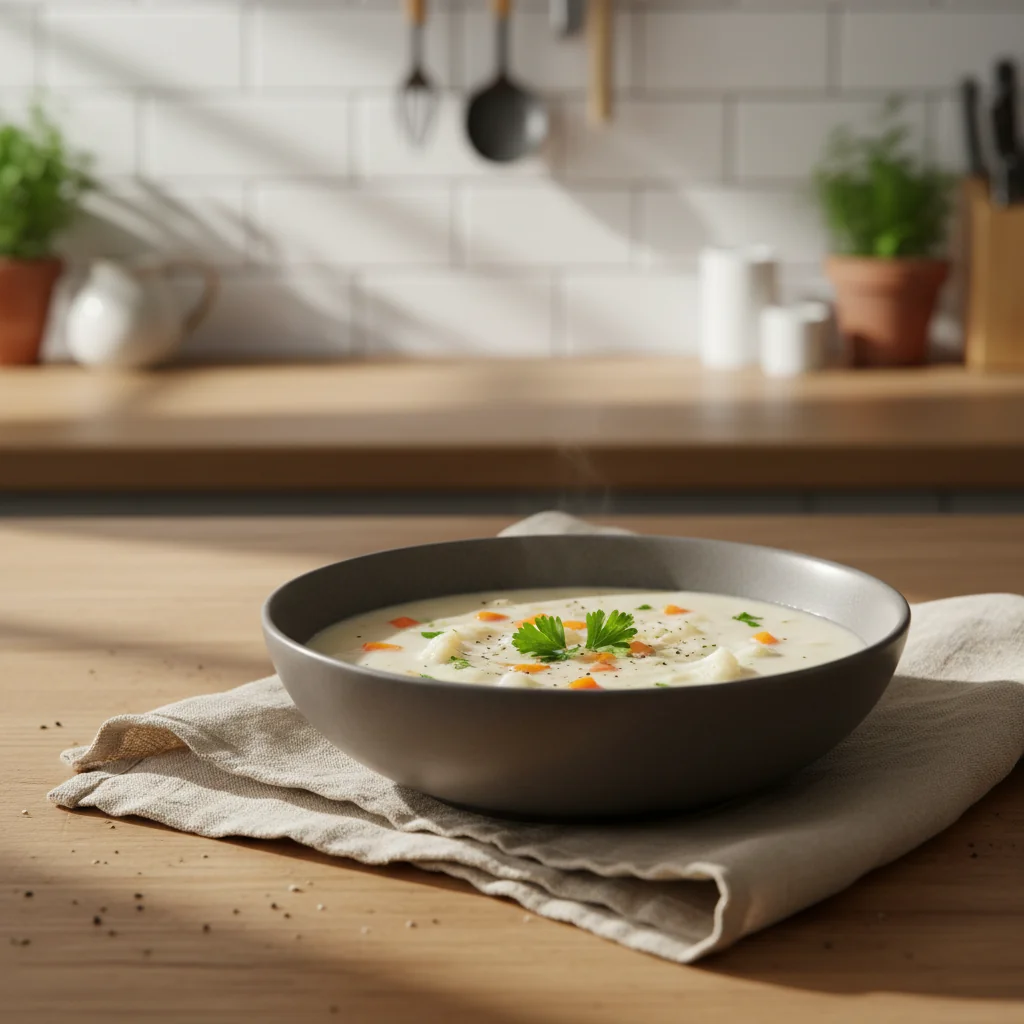
Homemade Cauliflower Soup Recipe for Cozy Meals
A velvety, warming bowl of homemade cauliflower soup that brings a quiet comfort to any table. Simple ingredients turned into something special.
Timing
Prep Time
15 Minutes
Cook Time
25 Minutes
Total Time
40 Minutes
Recipe Details
Ingredients
Main Ingredients
- 01 1 medium head of cauliflower, cut into florets
- 02 1 medium onion, diced
- 03 3 cloves garlic, minced
- 04 4 cups vegetable broth
- 05 2 tbsp olive oil
- 06 Salt and black pepper to taste
For the Finish
- 01 1/2 cup heavy cream or full-fat coconut milk
- 02 1 tbsp lemon juice
- 03 Fresh parsley for garnish
Instructions
Heat the olive oil in a large pot over medium heat. Add the diced onion and sauté for about 5 minutes until soft and translucent. Stir in the minced garlic and cook for another minute until it smells wonderful.
Add the cauliflower florets to the pot. Stir them around to coat in the oil and let them cook for about 5-7 minutes. I like to let them get a tiny bit of golden color on the edges—it adds so much more flavor.
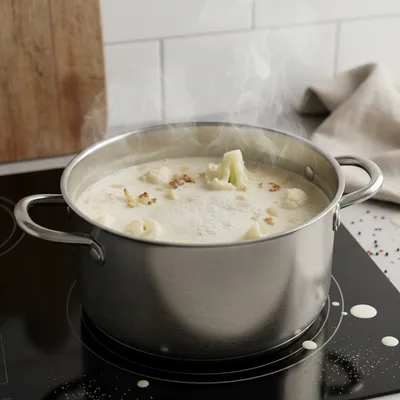
Pour in the vegetable broth. Bring it to a gentle boil, then turn the heat down to low. Cover the pot and simmer for about 15-20 minutes, or until the cauliflower is very tender when pierced with a fork.
Carefully remove the pot from the heat. Use an immersion blender to puree the soup until it's completely smooth. If you're using a traditional blender, do it in small batches and be careful with the steam.
Stir in the heavy cream (or coconut milk) and the lemon juice. Season with salt and pepper. Give it a little taste—this is where you decide if it needs a pinch more salt or a bit more lemon.
Ladle the soup into warm bowls. Garnish with a sprinkle of fresh parsley or a drizzle of olive oil for a professional touch.
Notes & Tips
- 1 For a deeper flavor, try roasting the cauliflower at 400°F (200°C) for 20 minutes before adding it to the pot.
- 2 If you want a lower calorie option, check out low calorie soups for similar light ideas.
- 3 A pinch of ground nutmeg added during the simmering stage creates a lovely, subtle warmth.
Tools You'll Need
-
Large pot or Dutch oven
-
Immersion blender or stand blender
-
Chef's knife
-
Cutting board
-
Wooden spoon
-
Measuring cups and spoons
Must-Know Tips
- Don't overcook the cauliflower to the point of mush before blending, or you lose the fresh taste
- Always add the lemon juice at the end; cooking it too long can make it taste bitter
- Ensure your broth is warm before adding it to the pot to maintain a steady simmer
Professional Secrets
- Sautéing the aromatics first creates a 'fond' on the bottom of the pot that adds richness
- Straining the soup through a fine-mesh sieve after blending makes it truly restaurant-quality
- Using a touch of butter instead of olive oil gives a more classic, creamy flavor profile

Recipe by
Hannah BrooksHannah Brooks focuses on nutritious baked meals that feature rice, quinoa, oats, and other wholesome grains. She develops creative casseroles, baked g ...
Get Delicious Recipes Weekly
Join 25,000+ home cooks getting our best recipes straight to their inbox.
Free forever • No spam • Unsubscribe anytime