Why You'll Love It
- - The buttery richness makes every slice feel like a special occasion.
- - It stays moist for days, making it perfect for weekend meals.
- - The natural sweetness of the coconut adds a lovely, subtle fragrance.
- - It's a sturdy cake that holds up beautifully with a glaze or fresh fruit.
"This cake tastes exactly like my childhood. It's so incredibly moist and the coconut flavor is just a gentle, sweet hug in every bite."
Essential Ingredient Guide
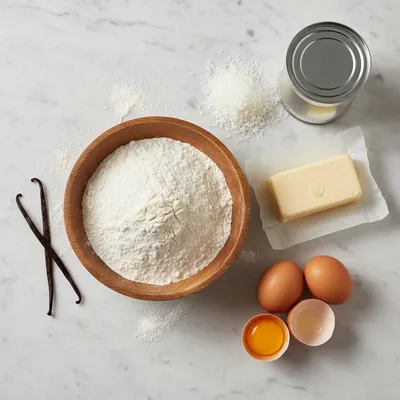
- Unsalted Butter: Use high-quality butter at room temperature. It's the heart of the cake, providing that signature richness and structure.
- Sweetened Shredded Coconut: Look for moist coconut. If it's too dry, you can pulse it slightly in a blender to help it integrate better into the batter.
- Cake Flour: Cake flour keeps the crumb tender. If you only have all-purpose, remove two tablespoons of flour and replace them with cornstarch.
- Fresh Eggs: Room temperature eggs emulsify better with the butter, ensuring the cake doesn't separate or become dense.
- Vanilla Extract: A splash of pure vanilla bridges the gap between the buttery base and the sweet coconut.
- Granulated Sugar: Sugar doesn't just sweeten; it helps create those tiny air pockets for a softer bite.
Complete Cooking Process
-
Ingredient Readiness:
I always start by letting my butter and eggs sit on the counter. Ugh, there's nothing worse than trying to cream cold butter—it just doesn't work. You want them soft and welcoming, almost as if they've been basking in the sun, so they blend into a smooth, pale cloud.
-
Flavor Development:
The magic happens during the creaming stage. As the sugar rubs against the butter, it creates a sweet, airy base. When the coconut is folded in, it doesn't just disappear; it creates little pockets of tropical flavor that deepen as the cake bakes in the oven.
-
Texture Control:
The key is to avoid over-mixing once the flour goes in. I remember my grandmother telling me to be gentle, like you're tucking a child into bed. If you mix too hard, the cake gets tough. We want it to feel like a cloud cake in spirit, even if it's a bit heavier.
-
Finishing Touches:
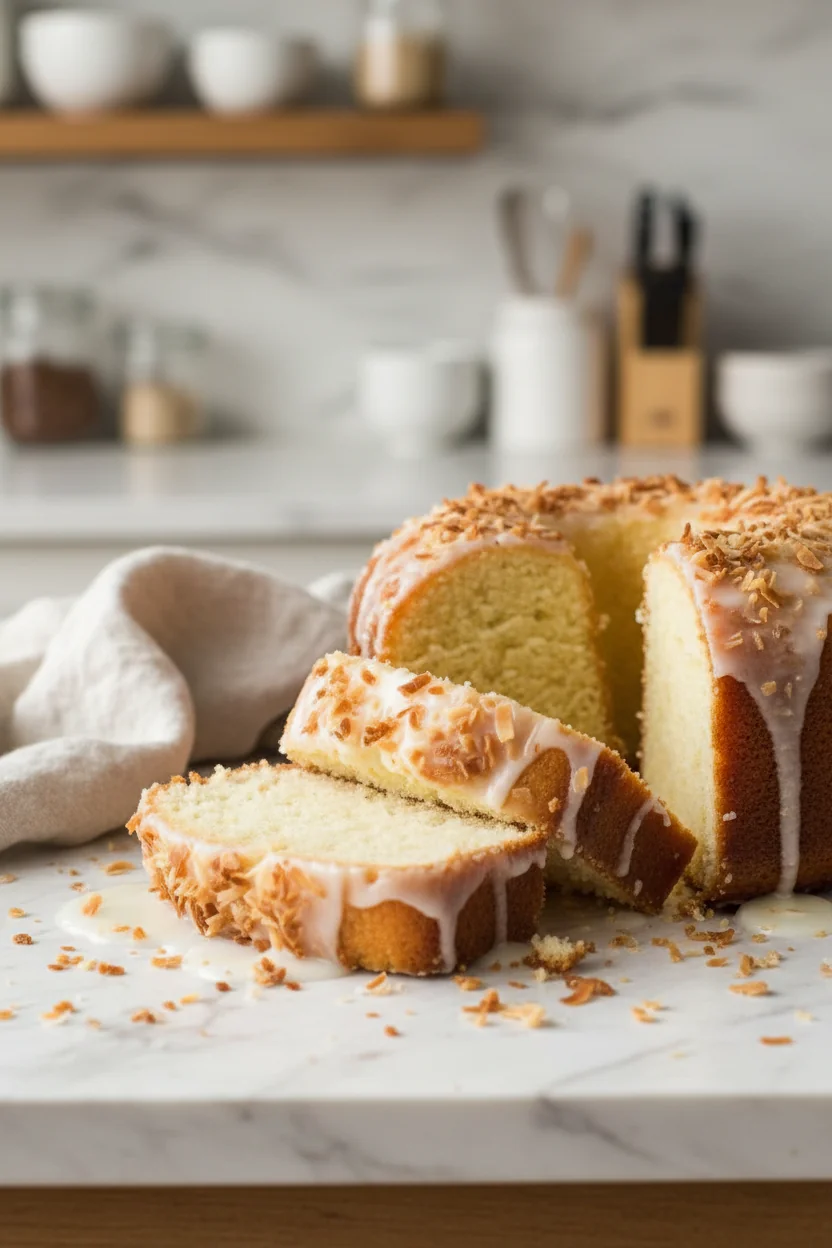
Once it comes out, a simple drizzle of coconut milk glaze or a sprinkle of toasted coconut flakes adds a bit of visual charm. It's that final, quiet touch that says the cake is ready to be shared.
-
Serving Timing:
Honestly, it's best served slightly warm, but waiting until it's completely cooled allows the flavors to settle. A slice at midnight with a cup of tea is probably the best way to experience it.
- Sift your flour twice to ensure there are no lumps in your batter.
- Use a parchment-lined pan for an effortless release every time.
- Don't open the oven door too early or the center might sink.
- Use a toothpick to check the center; it should come out with a few moist crumbs.
Pro Tips
Baking is such a slow, reflective process. I find that when I rush it, the cake knows. There's a certain peace in waiting for that golden-brown crust to form, watching the cake rise slowly through the oven glass. So, yeah, just take your time. If the batter looks a bit curdled after adding eggs, don't panic. Just keep beating it gently; it'll come back together. It's all about the patience.
The essence of the dish:
A fun fact or historical angle:
Flavor or sensory focus:
You Must Know
- Ensure your oven is fully preheated to avoid a flat top.
- Avoid using too much coconut or the cake may become too heavy to rise.
- Always scrape the sides of the bowl to ensure an even mix.
Frequently Asked Questions
→ Can I use frozen coconut?
Yes, but make sure it's thawed completely. Otherwise, it might create cold spots in your batter and affect the rise.
→ Why did my cake sink in the middle?
This usually happens if the oven door is opened too often or if the baking powder is old. Keep that door shut until the very end!
→ Can I substitute the butter with oil?
I wouldn't recommend it. The butter gives the pound cake its structure and that nostalgic flavor. Oil would make it more like a sponge cake.
→ How do I store this cake to keep it moist?
Wrap it tightly in plastic wrap or keep it in an airtight container. It actually tastes even better the second day.
→ Can I add other flavors?
Absolutely. A pinch of cinnamon or a bit of lemon zest pairs wonderfully with coconut.
→ What if I don't have a loaf pan?
You can use a round cake pan, but you'll need to adjust the baking time—it usually cooks faster in a shallower pan.
Chef's Tips
For a deeper flavor, lightly toast your shredded coconut in a pan for 2 minutes before adding it to the batter.,If the cake is browning too fast on top, loosely cover it with aluminum foil for the last 15 minutes of baking.,Make sure your coconut milk is shaken well before measuring to get the creaminess.
Nutrition Facts
per serving
410
Calories
6g
Protein
42g
Carbs
22g
Fat
Taste Profile
A rich, buttery sweetness balanced by the creamy, nutty taste of coconut.
Ingredient Substitutions
Don't have an ingredient? Try these alternatives
Replace 2 tbsp of flour with cornstarch for a similar effect.
The cake will be less creamy and lose the coconut aroma; add more coconut flakes to compensate.
Recipe Variations
Try these delicious twists on the original
Toasted Coconut Version
Toast the shredded coconut before adding it to the batter for a deeper, nuttier flavor.
Lemon-Coconut Twist
Add the zest of one lemon to the butter and sugar for a bright, citrusy contrast.
Common Mistakes to Avoid
Learn from others' mistakes for perfect results
- Using cold ingredients: This leads to a broken batter and a dense cake.
- Over-mixing the flour: This develops too much gluten, making the cake tough.
- Opening the oven too early: The sudden drop in temperature can cause the cake to collapse.
Meal Prep & Storage
Make Ahead Tips
You can bake the cake a day in advance. Just keep it wrapped well and apply the glaze and extra coconut just before serving to keep it looking fresh.
Leftover Ideas
Reheat individual slices in the microwave for 10-15 seconds to bring back that fresh-from-the-oven softness.
Perfect Pairings
Serve this with...
Cooking Timeline
Preheat oven and prepare the loaf pan with grease and parchment.
Cream butter and sugar, then beat in eggs and vanilla.
Alternate adding flour and coconut milk, then fold in shredded coconut.
Bake the cake and let it cool slowly.
Prepare glaze and finish the cake with toppings.
Grandma's Coconut Pound Cake Recipe
A timeless, buttery cake filled with sweet coconut flakes and a tender crumb. This coconut pound cake is a comforting slice of nostalgia that brings warmth to any table.
Timing
Prep Time
20 Minutes
Cook Time
60 Minutes
Total Time
80 Minutes
Recipe Details
Ingredients
The Cake Batter
- 01 1 cup unsalted butter, softened
- 02 1 1/2 cups granulated sugar
- 03 3 large eggs, room temperature
- 04 2 1/2 cups cake flour, sifted
- 05 1/2 teaspoon baking powder
- 06 1/2 teaspoon salt
- 07 1 cup coconut milk (full fat)
- 08 1 teaspoon vanilla extract
- 09 1 1/2 cups sweetened shredded coconut
The Simple Glaze
- 01 1 cup powdered sugar
- 02 2 tablespoons coconut milk
- 03 1/2 teaspoon vanilla extract
- 04 Extra shredded coconut for garnish
Instructions
Preheat your oven to 325°F (165°C). Grease a 9x5 inch loaf pan with butter and line it with parchment paper. This is a little extra work, but it saves so much stress later.
In a large bowl, cream the softened butter and sugar together. I usually use a mixer, but a wooden spoon works if you have the arm strength. Beat it until it looks pale and fluffy, maybe about 3 to 5 minutes.
Add the eggs one at a time, beating well after each one. Then, stir in the vanilla extract. If it looks like it's separating, just keep going—it'll settle down.
Whisk together the cake flour, baking powder, and salt in a separate bowl. Slowly add the dry ingredients to the butter mixture, alternating with the coconut milk. Start and end with the flour.
Gently fold in the shredded coconut using a spatula. Don't overwork it; just fold until the coconut is evenly distributed through the batter.
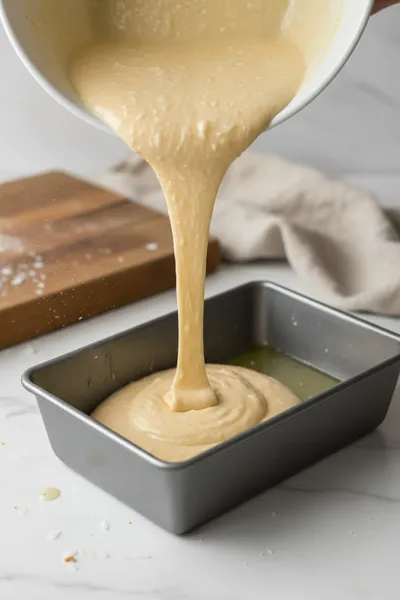
Pour the batter into the prepared pan and smooth the top. Bake for 55 to 65 minutes, or until a toothpick inserted in the center comes out clean.
Let the cake cool in the pan for about 10 minutes before transferring it to a wire rack to cool completely.
Whisk the powdered sugar, coconut milk, and vanilla together for the glaze. Drizzle it over the cooled cake and sprinkle with more coconut flakes.
Notes & Tips
- 1 For a deeper flavor, lightly toast your shredded coconut in a pan for 2 minutes before adding it to the batter.
- 2 If the cake is browning too fast on top, loosely cover it with aluminum foil for the last 15 minutes of baking.
- 3 Make sure your coconut milk is shaken well before measuring to get the creaminess.
Tools You'll Need
-
9x5 inch loaf pan
-
Electric hand mixer or stand mixer
-
Sifter or fine-mesh strainer
-
Large mixing bowl
-
Spatula
-
Parchment paper
-
Wire cooling rack
Must-Know Tips
- Room temperature is key: Butter and eggs must be soft to ensure a smooth emulsion.
- Sift your flour: This prevents clumps and keeps the cake from feeling too heavy.
- Avoid over-mixing: Stop as soon as the flour disappears to keep the cake tender.
- Cool completely: Applying glaze to a hot cake will just make it run off the sides.
Professional Secrets
- The Double Sift: Sifting the flour twice adds more air and creates a finer crumb.
- The Butter Tap: Gently tap the loaf pan on the counter before baking to release large air bubbles.
- Slow Cooling: Letting the cake rest in the pan for 10 minutes prevents it from crumbling when inverted.

Recipe by
Sophia BennettSophia Bennett represents the artistic heart of sweet baking with her elegant cakes, delicate pastries, and celebration desserts. She enjoys crafting ...
Get Delicious Recipes Weekly
Join 25,000+ home cooks getting our best recipes straight to their inbox.
Free forever • No spam • Unsubscribe anytime